
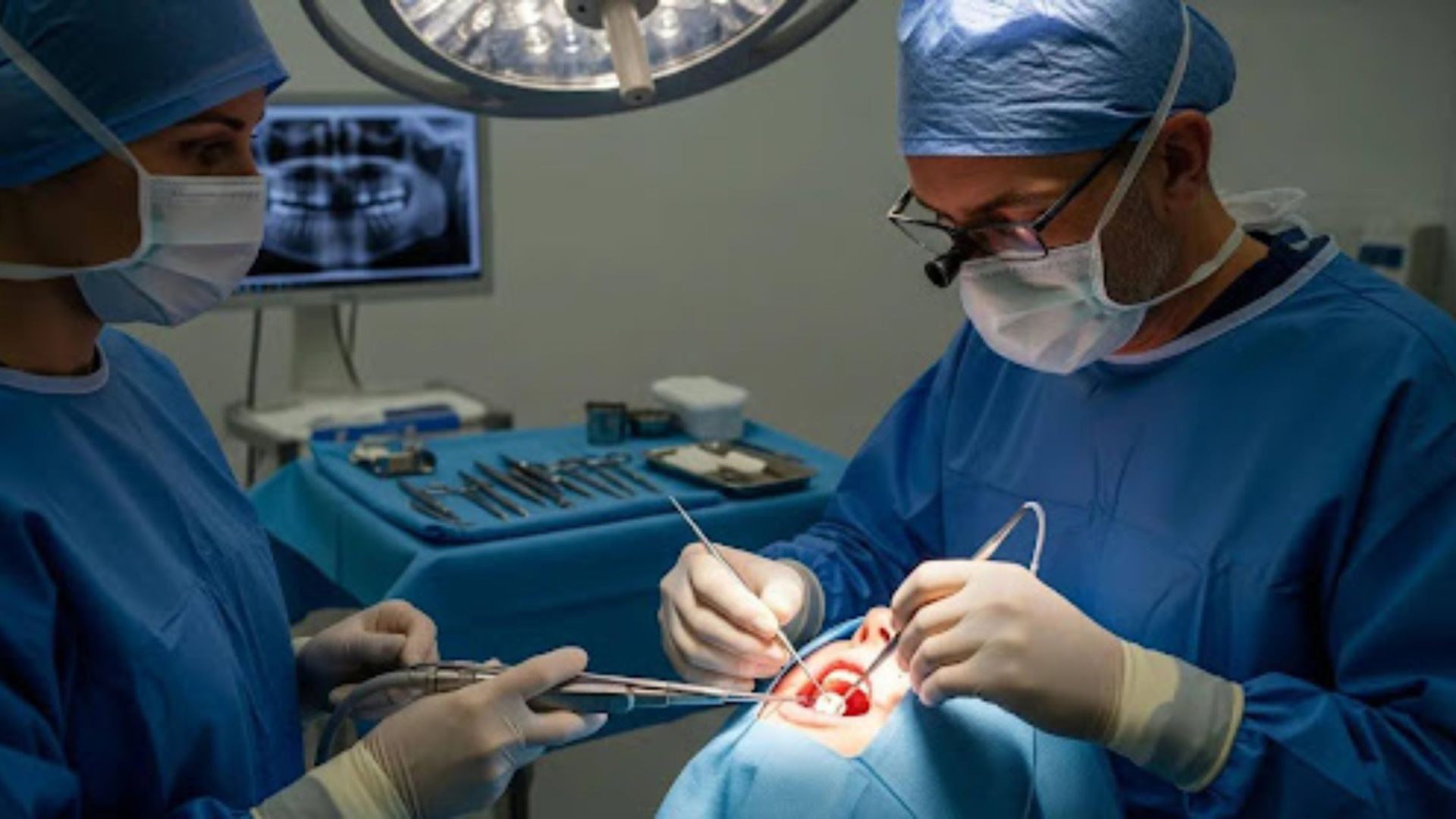
Bone grafting strengthens the jaw so dental implants have the support they need. When bone density or volume is low, grafting rebuilds the foundation and improves the chances of a lasting implant. Below we cover why grafting may be necessary, the graft types and materials commonly used, what happens during the procedure, what recovery looks like, and how costs are determined — so you can make an informed choice about your care.
Why Is Bone Grafting Necessary for Dental Implants?
Grafting restores lost bone so an implant can fuse securely with the jaw. Without enough bone, implants may not integrate properly, which increases the risk of complications or failure. For many patients, a bone graft is the step that makes implants possible and predictable.
How Does Jaw Bone Loss Affect Implant Stability?
Dental implants rely on osseointegration — a biological fusion between the implant and the jawbone. When bone volume or density is reduced, that fusion can be compromised, which undermines stability. A graft rebuilds the site so the implant has the solid support it needs to function long term.
What Are the Benefits of Bone Grafting Before Implants?
Pre-implant bone grafting increases the chance of successful implant integration, preserves facial structure, and helps prevent future bone loss. For patients with inadequate bone, grafting creates the stable foundation implants require and contributes to more predictable, long-lasting results. Patient experiences often reflect improved function and confidence after grafting and implant placement.
What Are the Types of Dental Bone Grafts and Materials?
Clinicians choose from several graft sources depending on the clinical need and patient preference. Each option has distinct properties that influence healing and long-term results.
| Graft Type | Source | Key Characteristics |
|---|---|---|
| Autogenous | Patient’s own bone | Highest compatibility, strong bone-forming potential; requires a donor site |
| Allograft | Human donor bone | Processed for safety, convenient, effective for many cases |
| Xenograft | Animal bone (often bovine) | Acts as a scaffold for new bone growth; integrates more slowly |
| Alloplast | Synthetic materials | Consistent supply, customizable properties; resorption rates vary |
What Are Autogenous, Allograft, Xenograft, and Alloplast Bone Grafts?
Autogenous grafts come from your own body and tend to integrate best because they contain living cells and growth factors. Allografts are donor tissues that are processed to remove risk while still supporting regeneration. Xenografts use animal-derived mineral scaffolds to guide new bone formation. Alloplasts are lab-made materials designed to mimic bone and provide structural support. Your surgeon will recommend the best option based on your anatomy and treatment goals.
Research is also exploring tooth-derived (autogenous odontogenic) materials as a biocompatible alternative for jaw restoration.
Autogenous Tooth Grafts & Bone Substitute Types
Autogenous odontogenic materials — using a patient‘s own tooth structure — show promise as a biocompatible graft. The mineral portion can function as a scaffold to preserve volume and support cell attachment, while the organic components supply growth factors that encourage bone repair. Because dentin resembles bone in composition, tooth-derived grafts may help promote bone reconstruction and offer a distinct option alongside traditional autogenous, allogeneic, xenogeneic, and alloplastic substitutes.
Comparison of autogenous tooth materials and other bone grafts, 2021
What Are the Advantages and Disadvantages of Each Bone Graft Type?
Autogenous grafts generally give the best biological response but require a secondary surgical site, which can add discomfort and healing time. Allografts remove the need for extra surgery but carry a very low, processed risk. Xenografts are widely used and act as excellent scaffolds but may remodel more slowly. Alloplasts are predictable and customizable, though their long-term behavior depends on the material chosen. Your surgeon will weigh these trade-offs for your situation.
What Does the Bone Grafting Procedure Involve?
The procedure is planned to match your needs and usually follows a straightforward sequence to place and protect the graft while it heals into new bone.
What Are the Step-by-Step Stages of Bone Grafting Surgery?
- Consultation: We assess your jaw with clinical exam and imaging, then explain the recommended graft and timeline.
- Anesthesia: Local anesthesia is typical; conscious sedation or general anesthesia may be used for comfort and complexity.
- Graft Placement: The surgeon positions the graft material where bone is deficient and secures it as needed.
- Closure: The area is sutured and you’ll receive clear aftercare instructions to support healing.
What Anesthesia and Sedation Options Are Available?
Options include local anesthetic, oral or IV conscious sedation, and general anesthesia. The choice depends on the procedure’s extent and your comfort level — discuss preferences and medical history with your surgeon so we can plan the safest, most comfortable approach.
How Is the Recovery Process After a Dental Bone Graft?
Recovery focuses on protecting the graft while new bone forms. Most patients experience manageable swelling and soreness that improve over days to weeks.
What Is the Typical Healing Timeline and Jaw Bone Graft Healing Process?
Healing varies by graft type and the size of the defect. In general, soft tissue seals in 1–2 weeks and bone maturation takes longer — commonly 3 to 6 months before implant placement is recommended. Your surgeon will track healing and advise when the site is ready for the next step.
What Are the Recommended Aftercare, Diet, and Activity Restrictions?
Aftercare includes gentle oral hygiene, avoiding hard, crunchy, or sticky foods at first, and following prescribed medications. Refrain from smoking and heavy exertion for several days to reduce swelling and support healing. Keep scheduled follow-ups so your team can monitor progress and guide a safe return to regular activity.
What Are Specific Bone Grafting Procedures Related to Implants?
Several targeted techniques address bone deficiencies in different areas of the mouth to make implant placement possible and predictable.
What Is a Sinus Lift for Dental Implants and What to Expect?
A sinus lift adds bone to the upper jaw where the maxillary sinus limits vertical height — commonly in the molar and premolar regions. The procedure is evaluated carefully during consultation and, depending on the augmentation, healing usually takes about 4 to 9 months before placing implants.
Clinical studies emphasize the role of sinus augmentation in resolving upper-jaw bone volume limitations.
Maxillary Sinus Augmentation for Dental Implants
Insufficient bone volume in the posterior maxilla is a common challenge when placing implant-supported restorations. The maxillary sinus and loss of alveolar height can limit available bone. Sinus lift procedures increase bone volume by augmenting the sinus with autogenous bone and/or commercially available biomaterials, enabling predictable implant placement.
Interventions for replacing missing teeth: augmentation procedures of the maxillary sinus, P Felice, 1996
How Does Alveolar Ridge Preservation Protect Your Jawbone?
Alveolar ridge preservation is performed at the time of tooth extraction to limit bone loss and preserve the socket’s shape. By maintaining height and width after extraction, this technique often simplifies or eliminates the need for larger grafts later and improves outcomes for future implants.
What Are the Costs and Financing Options for Dental Bone Grafts?
Costs vary with graft type, procedure complexity, location, and whether additional treatments (like a sinus lift) are required. We recommend discussing your case with the surgical team to get a personalized estimate and a clear treatment plan.
How Is the Cost of Alveolar Ridge Preservation and Bone Grafting Determined?
Price factors include the graft material, surgical time, anesthesia choice, imaging needs, and any adjunctive procedures. Your consultation will outline what’s necessary and provide a detailed cost breakdown tailored to your care.
What Financing Solutions Are Available for Bone Graft Procedures?
Many practices offer payment plans, third-party financing, or assistance with insurance claims to help manage costs. Ask about available options during your visit so you can choose a plan that fits your budget.
If you’re considering bone grafting to support dental implants, schedule a consultation with a qualified oral surgeon. Siouxland Oral & Maxillofacial Surgery provides tailored evaluations and treatment plans to help you move forward confidently.
Frequently Asked Questions
What are the risks associated with bone grafting for dental implants?
Bone grafting is generally safe, but risks include infection, graft failure, and complications from anesthesia. In the lower jaw there is a small risk of nerve irritation or numbness. Careful planning, sterile technique, and following post-op instructions reduce these risks — your surgeon will explain how we minimize them in your case.
How can I prepare for a bone grafting procedure?
Preparation includes a full medical history review and any necessary imaging. You may be asked to pause blood thinners and to stop smoking before surgery, as these affect healing. Arrange transportation home if you’ll have sedation, and follow any fasting or medication instructions your team provides.
What should I expect during the recovery period after bone grafting?
Expect some swelling, mild-to-moderate discomfort, and possible bruising for a few days. Your surgeon will prescribe pain control and give clear care instructions. Most people return to normal activities in a few days, though complete bone healing can take several months depending on the graft.
Are there alternatives to bone grafting for dental implants?
Alternatives include using shorter implants in areas with limited bone, zygomatic implants anchored in the cheekbone for severe upper-jaw loss, and preventative techniques like alveolar ridge preservation after extraction. Not every option suits every patient — a consultation determines the best route.
How does the success rate of bone grafting compare to other dental procedures?
Bone grafting for implants has a high success rate, often above 90% when performed and cared for properly. Outcomes depend on health, graft type, surgical technique, and adherence to aftercare. Your surgeon will review factors that influence success in your specific case.
What lifestyle changes should I consider after a bone graft?
To support healing, avoid smoking and limit alcohol. Eat a nutritious diet, avoid hard or sticky foods during early healing, and skip strenuous exercise for a short period as recommended. Good oral hygiene and attending follow-up visits are essential to protect the graft and encourage integration.
Conclusion
Bone grafting is a reliable way to rebuild jawbone and create a stable foundation for dental implants. When chosen and executed appropriately, grafts improve implant predictability and long-term oral health. Talk with your oral surgeon to learn which graft type and timing are best for you — and to get a clear plan for restoring your smile.