
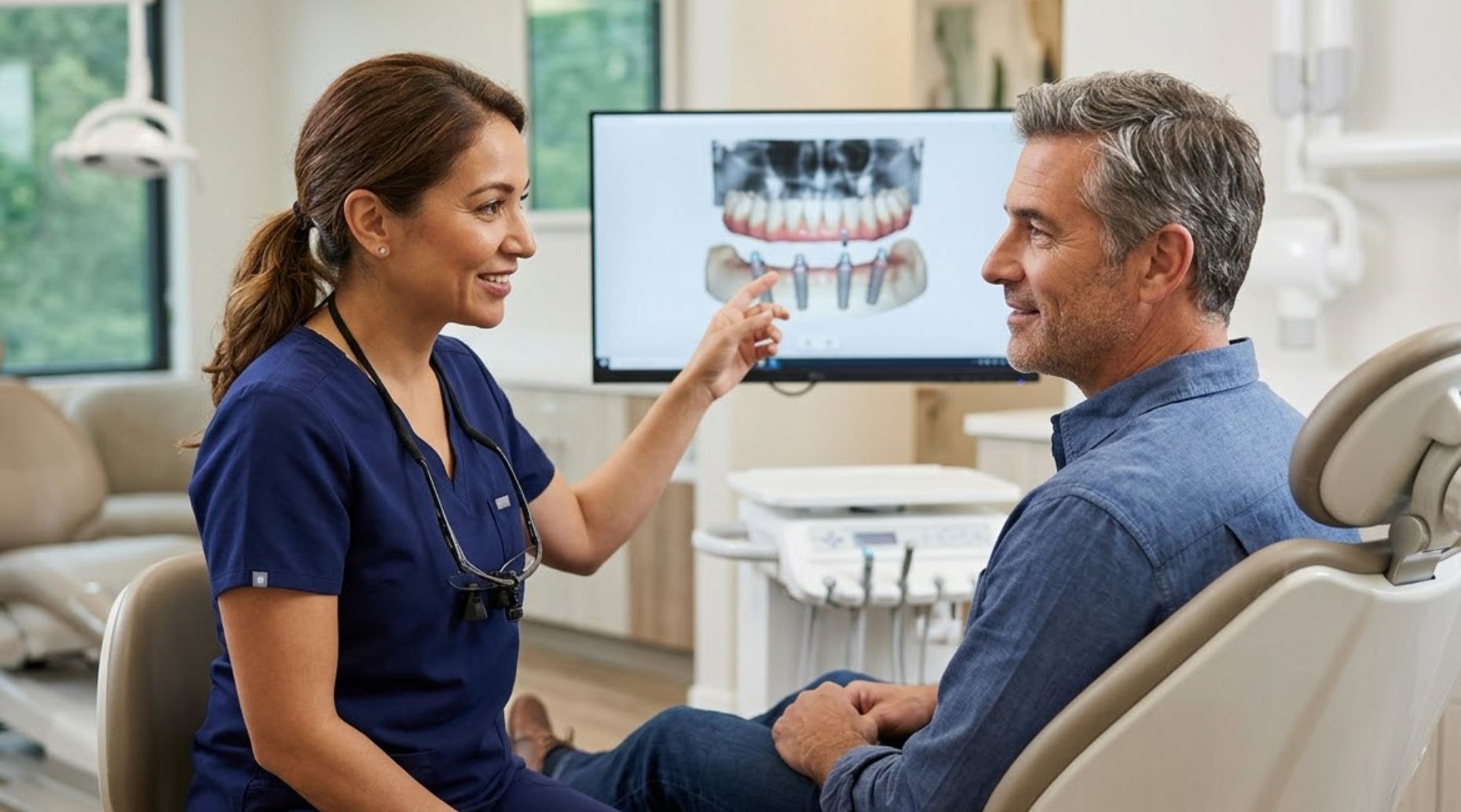
All-on-4 dental implants offer a reliable option for people with extensive tooth loss or severe decay. The technique supports a full dental arch on four strategically placed implants, delivering a stable, fixed alternative to removable dentures. This guide explains the core candidacy criteria, medical and dental factors that affect eligibility, the role of bone density, and how certain health conditions influence outcomes. By reading this article you will understand who benefits from All-on-4 and what the candidacy assessment entails.
All On 4 Dental Implant Eligibility: Who Is the Right Candidate for Full Arch Restoration and Who Is Not?
Assessing eligibility for All-on-4 implants requires consideration of several clinical factors. Ideal candidates are often edentulous or facing imminent tooth loss, are in generally good health, and have adequate jawbone to support implants. The procedure is especially appropriate for patients seeking a fixed full-arch restoration to restore function and appearance after significant tooth loss from decay or trauma.
Candidates must also commit to ongoing oral care, since maintenance strongly affects long-term success. Individuals with specific medical conditions or lifestyle risks may require further evaluation or preparatory treatment before proceeding. Clear understanding of these criteria helps patients make informed decisions.
What Are the Essential Candidacy Criteria for All-on-4 Dental Implants?
The essential criteria for candidacy for All-on-4 dental implants include:
- Significant Tooth Loss or Decay: Candidates should have lost most or all of their teeth in one or both arches.
- Desire for a Fixed Full-Arch Solution: Individuals seeking a permanent solution rather than removable dentures are ideal candidates.
- Lack of Sufficient Jaw Bone: While some bone loss is common, candidates must have enough bone density to support the implants or be willing to undergo bone grafting if necessary.
Meeting these criteria helps ensure the clinical conditions are appropriate for a predictable outcome.
Which Medical and Dental Factors Determine Eligibility?
Several medical and dental factors determine suitability for All-on-4. A detailed medical history, a full oral examination, and objective bone-density imaging are standard components of the evaluation.
- Medical History Review: Understanding a patient’s overall health, including any chronic conditions, is vital.
- Dental Health Assessment: A comprehensive evaluation of the current state of oral health helps identify any potential issues that could affect implant success.
- Bone Density Evaluation: Sufficient bone density is crucial for the stability of the implants, and imaging studies may be required to assess this.
These assessments enable clinicians to develop a treatment plan tailored to each patient’s clinical needs.
How Does Bone Density Influence Full Arch Implant Success?
Bone density is a primary determinant of implant stability and long-term function. A robust jawbone supports osseointegration and reduces mechanical risk to the prosthesis. When bone volume is insufficient, grafting procedures can rebuild the foundation prior to implant placement.
- Bone Grafting: This procedure can help build up the jawbone, providing a solid foundation for the implants.
- Integration Success: Adequate bone density ensures that the implants can integrate properly, leading to better outcomes.
Recognizing the link between bone quality and implant durability allows clinicians and patients to plan appropriate preparatory treatment.
How Do Specific Medical Conditions Affect All-on-4 Implant Eligibility?
Certain systemic conditions can complicate implant therapy. Diseases that impair wound healing or immune response may increase complication rates and require medical optimisation before surgery.
- Diabetes: Uncontrolled diabetes can complicate healing and increase the risk of infection.
- Smoking: Smoking is known to hinder healing and can significantly increase the risk of implant failure.
- Other Health Conditions: Various health issues may disqualify candidates or require additional evaluations.
Patients should review their full medical history with their dental team so clinicians can identify and mitigate potential risks.
What Impact Do Diabetes and Smoking Have on Implant Outcomes?
Diabetes and smoking are two factors that meaningfully affect All-on-4 outcomes. Both can impair healing and raise the likelihood of complications when not managed appropriately.
- Uncontrolled Diabetes: This condition raises the risk of complications during and after the procedure, making careful management essential.
- Smoking: Smoking can impede healing and increase the likelihood of implant failure, making it crucial for candidates to consider cessation before undergoing the procedure.
Effective management of these risks improves the probability of a successful, long-lasting result.
Further research highlights measurable differences in implant survival between patients who smoke and those who do not.
All-on-4 Outcomes: Smoking vs. Non-Smoking Patients
The aim of this study was to compare the 5-year outcome of full-arch mandibular fixed prosthetic rehabilitation using the All-on-4 concept in smoking and nonsmoking patients. This retrospective cohort study included 200 patients (n= 100 smokers,n= 100 nonsmokers), 119 women and 81 men, with an average age of 53.7 years, rehabilitated in immediate function with 800 implants. Implant cumulative survival rate estimation (Kaplan-Meier with log-rank test) and marginal bone resorption (MBR) at 5 years (Mann-Whitney test) were compared between both groups.
Five-year outcome of a retrospective cohort study comparing smokers vs. nonsmokers with full-arch mandibular implant-supported rehabilitation using the All-on-4 …, MA de Araújo Nobre, 2018
How Does Bruxism Increase the Risk of Implant Failure?
Bruxism, or nocturnal teeth grinding, subjects implants and prosthetic components to excessive occlusal load. Repeated overloading can compromise osseointegration and lead to mechanical failure.
- Excessive Force: This can compromise the stability of the implants and lead to failure.
- Management Strategies: Patients may need to employ strategies such as night guards to mitigate the effects of bruxism.
Identifying parafunctional habits and implementing protective measures is an important part of preoperative planning.
What Is the Assessment and Consultation Process for Implant Candidacy?
The assessment and consultation process for All-on-4 implants involves several key steps:
- Initial Consultation: This includes a comprehensive review of medical history and dental health.
- Imaging Studies: X-rays or 3D scans may be performed to evaluate bone density and structure.
- Personalized Treatment Planning: Based on the evaluations, a tailored treatment plan is developed to meet the patient’s needs.
A systematic evaluation ensures the treatment plan matches the patient’s anatomy and health status, improving predictability.
How Is Personalized Candidacy Evaluated at Siouxland Oral Surgery?
At Siouxland Oral & Maxillofacial Surgery, personalized candidacy evaluation is a cornerstone of the All-on-4 implant process. The evaluation includes:
- Comprehensive Initial Consultation: Patients undergo a detailed assessment to understand their unique needs.
- Tailored Treatment Plans: Based on the evaluation, customized plans are created to optimize outcomes.
- Follow-Up Discussions: Ongoing communication ensures that patients are informed and comfortable throughout the process.
This individualised approach helps optimise surgical planning and postoperative care for each patient.
What Steps Are Involved in Preparing Patients for All-on-4 Implants?
Preparing patients for All-on-4 implants involves several critical steps:
- Initial Consultation with the Surgeon: This step establishes a foundation for the treatment plan.
- Detailed Treatment Planning: A comprehensive plan is developed based on individual assessments.
- Post-Operative Care Instructions: Patients receive guidance on care and recovery to ensure optimal healing.
Clear preoperative instructions and a structured care plan support safe surgery and predictable recovery.
What Are the Alternatives for Patients Who Are Not Candidates for All-on-4 Implants?
For patients who are not candidates for All-on-4 implants, several alternatives are available:
- Zygomatic Implants: These are suitable for individuals with insufficient bone density.
- Ceramic Implants: Ideal for patients with metal allergies.
- Traditional Dentures: A more conventional option for those who may not qualify for implants.
Reviewing these alternatives allows patients and clinicians to select the option that best fits clinical constraints and patient goals.
Which Dental Solutions Are Available for Limited Bone Density or Health Conditions?
Patients with limited bone volume or medical restrictions still have treatment pathways that can restore function and aesthetics.
- Bone Grafting Options: These procedures can enhance bone density and support implant placement.
- Types of Dental Implants: Various implant types are designed to accommodate different health needs.
- Tailored Solutions: Custom treatment plans can address individual health conditions effectively.
Appropriate surgical techniques and customised planning expand options for patients with challenging clinical presentations.
How Can Patients Improve Eligibility Through Health Management?
Patients can take proactive steps to improve their suitability for All-on-4 implants through targeted health management:
- Consultation for Health Assessment: Regular check-ups can help identify and manage health issues.
- Maintain Good Oral Hygiene: Proper dental care is crucial for overall oral health.
- Avoid Smoking and Alcohol: Reducing these habits can significantly enhance healing and implant success.
Implementing these measures can reduce procedural risks and strengthen candidacy for implant therapy.
What Are the Expected Outcomes and Success Rates for Eligible Candidates?
Eligible candidates for All-on-4 implants can expect high success rates, often exceeding 90%. Key contributors to favorable outcomes include careful case selection, surgical expertise, and diligent postoperative care.
- Patient Satisfaction: Many patients report significant improvements in quality of life and functionality.
- Recovery Times: Varying by procedure, most patients can expect a smooth recovery with proper care.
Understanding likely outcomes helps set realistic expectations and supports informed consent.
What Do Recent Clinical Studies Reveal About Implant Longevity?
Recent clinical studies indicate that All-on-4 implants can last over 10-15 years with proper care. Key findings include:
- Longevity: Success rates range between 90% and 98%, depending on individual circumstances.
- Influence of Care: Proper oral hygiene and regular dental visits significantly impact implant longevity.
These data reinforce the importance of maintenance and periodic review to preserve implant function over time.
How Do Patient Testimonials Reflect Treatment Benefits and Safety?
Patient testimonials frequently emphasise functional improvement, restored confidence, and the perceived safety of the All-on-4 workflow when performed by experienced teams.
- High Satisfaction with Care: Many patients express gratitude for the improved quality of life.
- Effective Pain Management Strategies: Patients report minimal discomfort during and after the procedure.
- Positive Recovery Experiences: Most individuals find the recovery process manageable and rewarding.
These first-hand accounts offer practical perspective on recovery, comfort, and day-to-day benefits after treatment.
Frequently Asked Questions
What is the typical recovery time after All-on-4 implant surgery?
Recovery varies by patient and procedure, but many return to normal activities within a few days to a week. Initial soft-tissue healing usually occurs in 1 to 2 weeks. Full osseointegration of implants commonly takes several months, during which you should follow your clinician’s post-operative instructions to support optimal healing.
Are there any dietary restrictions after receiving All-on-4 implants?
Yes. Patients are typically advised to follow a soft-food diet for the first few weeks to minimise load on the implants. Suitable options include yogurt, smoothies, mashed potatoes, and soups. As healing advances, firmer foods can be reintroduced. Avoid hard, crunchy, or sticky foods during the initial recovery period to prevent undue stress on the prosthesis.
How long do All-on-4 implants typically last?
All-on-4 implants are intended as a long-term solution and many last 10 to 15 years or more with proper care. Longevity depends on oral hygiene, regular dental follow-up, and overall health. Clinical studies report success rates in the 90% to 98% range for appropriately selected patients.
Can All-on-4 implants be placed immediately after tooth extraction?
Yes. In many cases implants can be placed at the same appointment as extractions, a protocol known as immediate loading. This can shorten treatment time and improve convenience. However, suitability depends on clinical factors and requires careful evaluation by a dental professional.
What are the risks associated with All-on-4 implants?
As with any surgery, risks include infection, implant failure, nerve injury, and anaesthesia-related complications. Patient factors such as smoking, uncontrolled diabetes, and bruxism increase complication risk. Discuss your medical history and concerns with your provider to ensure a tailored risk assessment.
How can patients maintain their All-on-4 implants for longevity?
Maintain excellent oral hygiene with regular brushing and interdental cleaning, attend scheduled dental check-ups, avoid tobacco, and manage systemic conditions such as diabetes. Follow your dentist’s guidance on diet and oral-care adjustments. These actions materially improve the lifespan and function of the implants.
Conclusion
Understanding candidacy criteria for All-on-4 implants is essential for patients seeking a durable solution to tooth loss. By evaluating bone quality and overall health and taking proactive steps to optimize those factors, candidates can improve the likelihood of successful outcomes. For personalised guidance and to discuss your options, schedule a consultation with Siouxland Oral & Maxillofacial Surgery today.