
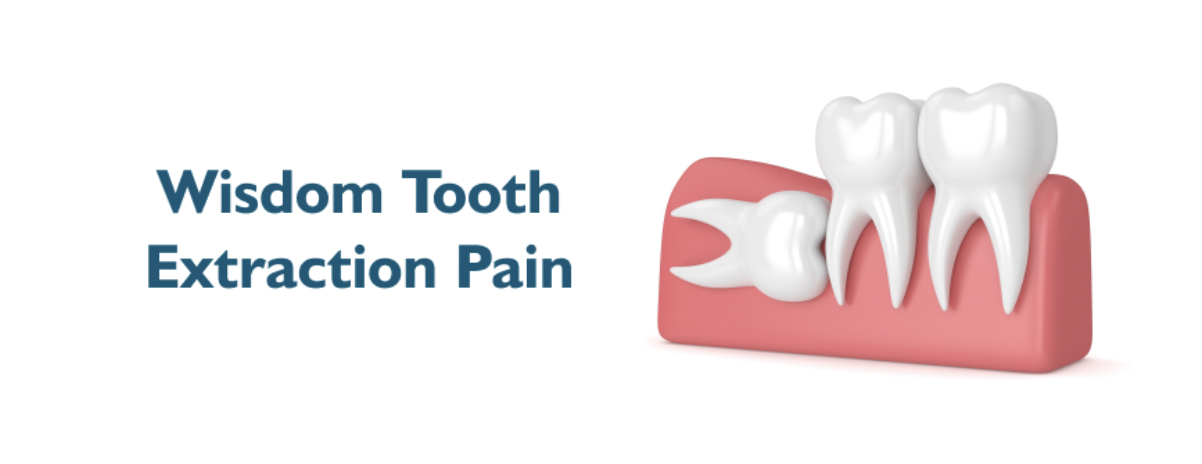
Tooth extraction often provokes anxiety for many patients. Identifying the sources of that anxiety and the techniques used to manage it can materially improve the patient experience. This article reviews the sedation dentistry options available in Sioux Falls, SD, and explains how these approaches reduce stress during a Sioux Falls Tooth Extraction. We address typical concerns, outline pain-free oral surgery strategies, and describe what to expect before, during, and after the procedure so you can make an informed decision about your care.
What Causes Tooth Extraction Anxiety and How Can It Be Managed?
Anxiety around tooth extraction commonly arises from predictable psychological triggers. Patients frequently fear pain, feel uneasy in the clinical setting, or worry about possible complications. Recognising these factors is the first step toward effective, tailored management.
Understanding Patient Anxiety During Oral Surgery
Anxiety during oral surgery often reflects a fear of the unknown. Patients report concerns about pain, the sounds of instruments, and the overall experience in the dental chair. These fears can cause avoidance of necessary care and worsen oral health. When clinicians identify these concerns, they can intervene proactively to create a safer, calmer experience.
Effective Anxiety Management Techniques Before Surgery
Preoperative anxiety is managed through clear communication, targeted reassurance, and practical coping strategies. Discussing the procedure with the surgeon clarifies expectations. Relaxation exercises, such as controlled breathing and guided visualisation, reduce physiologic stress. Having a trusted companion present can also provide emotional support and lower anxiety levels.
Which Sedation Dentistry Options Are Available for Pain-Free Tooth Extraction in Sioux Falls?
Sedation dentistry encompasses several clinically established options to provide a pain‑free extraction. These techniques help patients relax and limit discomfort so the procedure can be completed safely and efficiently. For more details about each modality, please consult our resources page.
How Does IV Sedation Facilitate Comfortable Tooth Extraction?
IV sedation delivers sedative medication directly into the bloodstream for a rapid, controllable effect. Patients typically remain conscious but deeply relaxed, with markedly reduced anxiety and pain perception during the procedure. Continuous monitoring of vital signs and adherence to safety protocols ensure sedation is administered securely throughout the case.
Clinical evidence supports the use of conscious sedation techniques to reduce dental anxiety during tooth extraction procedures.
Conscious Sedation for Dental Anxiety in Tooth Extraction
Dental anxiety is associated with avoidance of dental treatment and increased medical and surgical risks. This systematic review summarises available evidence on conscious sedation techniques used for the management of dental anxiety in patients scheduled for third molar extraction surgery, with the aim of identifying optimal approaches and knowledge gaps.
Conscious sedation for the management of dental anxiety in third molar extraction surgery: a systematic review, M Melini, 1991
What Is Sleep Dentistry and How Does It Reduce Pain and Anxiety?
Sleep dentistry, or deep sedation, places patients in a sleep‑like state for the duration of the procedure. This option is particularly useful for individuals with severe anxiety or specific phobias. Sedation depth is titrated and patients are monitored continuously, resulting in minimal recall of the event and improved comfort during treatment.
How Does Siouxland Oral Surgery Ensure Safe and Comfortable Tooth Extractions?
Siouxland Oral Surgery prioritises safety and patient comfort through advanced surgical techniques and a full range of anaesthesia options. The clinical team is trained in current sedation protocols and emergency monitoring. By following strict care pathways and individualising treatment, the practice aims to deliver predictable, comfortable outcomes for each patient. Siouxland Oral Surgery structures care to support both clinical safety and patient comfort.
Credentials and Experience of Siouxland Oral Surgeons
The surgeons at Siouxland Oral Surgery hold extensive qualifications in oral and maxillofacial surgery and sedation dentistry. Their experience in complex extractions is supported by ongoing professional development and training. This combination of expertise ensures patients receive high standards of care tailored to their clinical needs.
Patient-Centered Approach to Pain Management and Comfort
Siouxland Oral Surgery employs a patient‑centred model for pain control that emphasises individualised care plans. Clinicians assess each patient’s medical history, anxiety level, and preferences to select appropriate analgesia and sedation. Open dialogue between patient and surgeon supports shared decision‑making and greater comfort throughout treatment.
This patient‑centred philosophy mirrors contemporary perioperative models that prioritise comfort and psychological well‑being across the preoperative, intraoperative, and postoperative phases.
Patient-Centered Comfort for Oral Surgery Anxiety & Pain
ABSTRACT: The perioperative patient‑centered comfort management (2P2CM) model introduces an approach that prioritises patient comfort, psychological well‑being, and satisfaction across the perioperative continuum. Unlike traditional models focused mainly on clinical endpoints, the 2P2CM framework integrates preoperative, intraoperative, and postoperative interventions tailored to individual patient needs. This review synthesises emerging evidence supporting the 2P2CM model, which aims to reduce preoperative anxiety, optimise postoperative pain control, and personalise care.
Advancing perioperative care: introducing patient-centered comfort management, 2025
What Should Patients Expect During and After a Sedated Tooth Extraction?
During a sedated extraction you will be cared for in a calm, controlled setting. Sedation reduces anxiety and improves procedural tolerance while the surgical team performs the extraction with precision. After the procedure you may feel groggy as medications wear off; following the post‑operative instructions provided by the team is essential for a smooth recovery.
Preparing for Your Anxiety-Free Tooth Extraction Procedure
Prepare by following fasting instructions, arranging reliable transport home, and completing any preoperative health assessments requested by the clinic. Proper preparation reduces intraoperative risk and helps lower anxiety on the day of the procedure.
Recovery Timeline and Pain Management Strategies Post-Extraction
Initial healing after extraction generally occurs within 24–48 hours. Pain is managed with prescribed analgesics and home care measures. Adhering to your clinician’s post‑operative guidance is critical to minimise discomfort and support uncomplicated healing.
Recent developments in oral surgery emphasise multimodal post‑operative pain strategies to enhance comfort and reduce reliance on opioid medications.
Advanced Pain Management in Oral Surgery
Recent advancements in post‑operative pain management for oral surgery have focused on improving patient comfort, shortening recovery times, and reducing dependence on opioids. Key strategies include multimodal analgesia—using multiple agents concurrently to improve pain control while limiting side effects—and regional techniques such as nerve blocks to provide targeted relief and decrease the need for systemic opioids.
Advances in pain management in oral surgery, 2025
What Are Common Patient Concerns About Sedation Dentistry and How Are They Addressed?
Patients commonly ask about sedation safety and potential side effects. Siouxland Oral Surgery addresses these concerns with clear explanations of the sedation plan, preoperative screening, and continuous intraoperative monitoring. The team encourages questions so patients feel informed and secure about their care.
Are There Side Effects or Risks Associated with IV Sedation and Sleep Dentistry?
IV sedation and sleep dentistry are widely used and generally safe, but some patients may experience temporary effects such as drowsiness, nausea, or, rarely, allergic reactions. The practice minimises risk through comprehensive pre‑operative assessment and vigilant monitoring during the procedure. Understanding these possibilities helps you choose the appropriate sedation option.
How Does Sedation Dentistry Compare to Other Pain Relief Methods?
Sedation dentistry complements local anaesthesia by reducing anxiety and global discomfort in addition to providing regional numbness. While local anaesthetic controls pain at the surgical site, sedation addresses the broader physiologic and psychological response, allowing many patients to tolerate procedures more comfortably.
How Have Patients Benefited from Sedation Dentistry at Siouxland Oral Surgery?
Patients report meaningful benefits from sedation dentistry, including lower anxiety and a more tolerable surgical experience. Patient testimonials frequently note that sedation transformed their perception of dental care and enabled them to pursue necessary treatment with better outcomes.
Patient Success Stories: Overcoming Tooth Extraction Anxiety
Many patients have shared success stories describing how sedation dentistry helped them overcome extraction‑related anxiety. These accounts highlight the impact of a supportive clinical team and effective pain management in creating a more positive dental experience.
For your convenience, Siouxland Oral Surgery also provides a secure option to make a payment online, simplifying administrative tasks so you can focus on recovery.
Why Choose Siouxland Oral Surgery for Anxiety-Free Tooth Extractions?
Choosing Siouxland Oral Surgery means selecting a practice that emphasises patient safety, comfort, and predictable results. Experienced surgeons, modern sedation options, and individualised treatment plans ensure care is tailored to each patient’s clinical and emotional needs. This combination makes Siouxland Oral Surgery a reliable choice for anxiety‑free extractions.
Frequently Asked Questions
What should I do if I have a history of dental anxiety?
If you have a history of dental anxiety, disclose this to your provider so your care plan can be adapted. The team can arrange pre‑appointment consultations, recommend relaxation techniques, and review appropriate sedation options. Bringing a supportive friend or family member may also help reduce stress on the day of treatment.
How can I prepare mentally for my tooth extraction?
Mental preparation reduces anxiety. Learn about the procedure and expected steps so the process feels familiar. Practice relaxation techniques such as deep breathing or guided imagery. Discuss any concerns with your dentist to gain reassurance and a clearer sense of control before the appointment.
What are the benefits of choosing sedation dentistry for tooth extractions?
Sedation dentistry reduces anxiety, lowers perceived pain, and often results in minimal recall of the procedure. These benefits improve patient comfort during treatment and increase the likelihood that individuals will seek and complete necessary dental care, supporting better long‑term oral health.
Are there alternatives to sedation dentistry for managing anxiety?
Alternatives include cognitive‑behavioural therapy (CBT) to address fear responses and relaxation strategies such as mindfulness, guided imagery, and deep breathing. Some patients find listening to music or using noise‑reducing headphones helpful. Discuss these options with your dentist to identify the most suitable approach.
How long does it take to recover from a tooth extraction?
Initial healing typically occurs within 24 to 48 hours, during which swelling and discomfort are common and manageable with prescribed medications and home care. Complete healing of the extraction site may take several weeks. Adhering to post‑operative instructions is essential to promote uncomplicated recovery.
What should I do if I experience complications after my extraction?
If you experience excessive bleeding, severe pain, fever, or swelling suggestive of infection, contact your dentist immediately. Prompt assessment allows the clinical team to address complications quickly and support recovery. Following post‑operative guidance reduces the likelihood of adverse events.
Can I eat and drink normally after a tooth extraction?
Avoid eating or drinking for the first few hours to allow a blood clot to form. When you resume oral intake, choose soft foods and avoid hot, spicy, or hard items for several days. Stay hydrated but avoid using straws, since suction can dislodge the clot. Follow your dentist’s specific dietary instructions for optimal healing.
Conclusion
Sedation dentistry can markedly reduce anxiety and improve the extraction experience. Options such as IV sedation and sleep dentistry offer tailored approaches to achieve a comfortable, pain‑controlled procedure. Siouxland Oral Surgery is committed to a supportive environment that prioritises safety and personalised care. Contact the practice to schedule a consultation and take the first step toward a less stressful dental experience.