
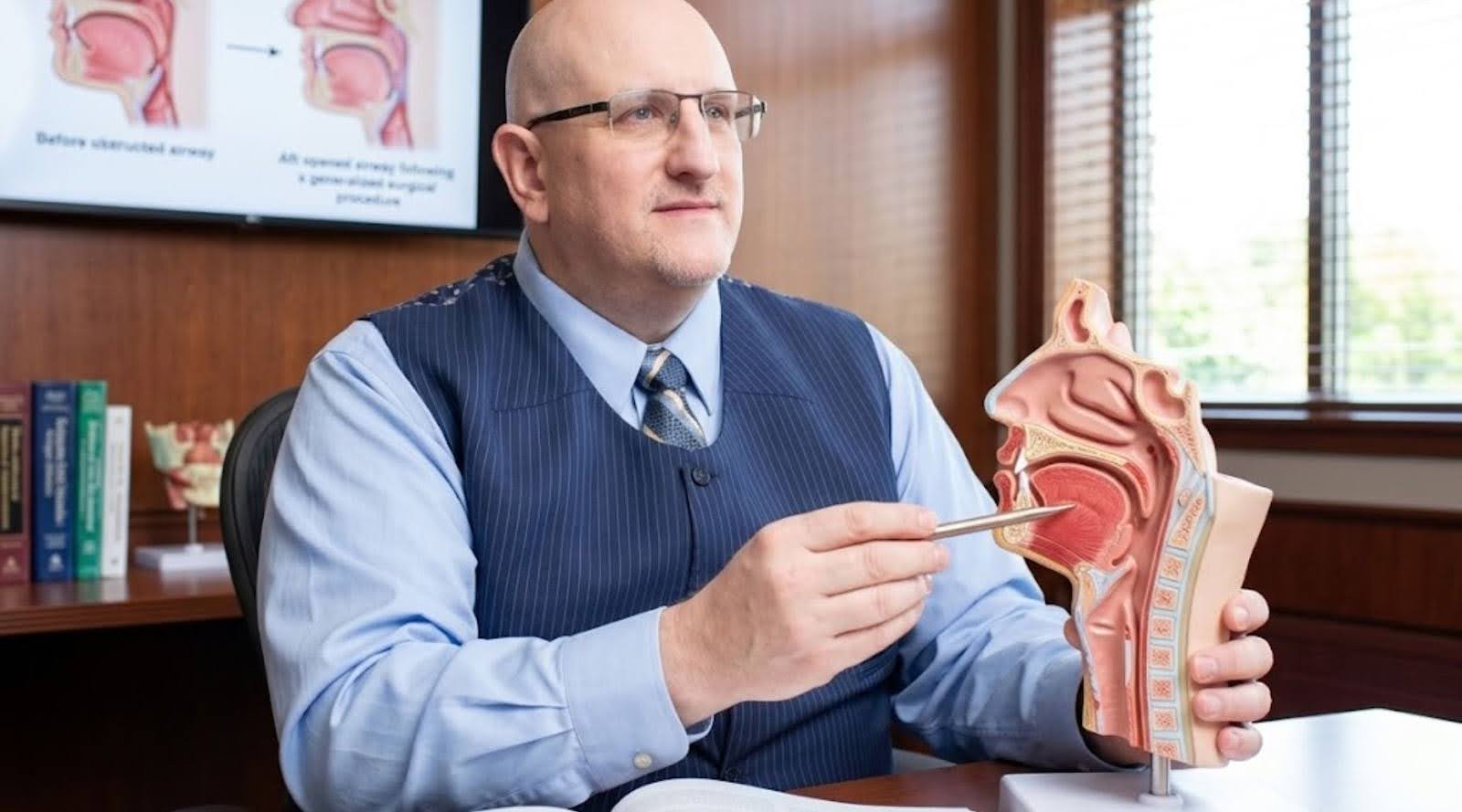
Obstructive Sleep Apnea (OSA) is a serious disorder affecting millions, defined by repeated interruptions in breathing during sleep. This article explains how oral surgery may treat OSA, drawing on the expertise of Dr. Louis George, a specialist in oral surgery. You will read about available surgical options, the mechanisms by which they work, and expected outcomes. OSA commonly causes daytime fatigue and raises cardiovascular risk. By addressing the anatomical causes of airway obstruction, oral surgery can provide meaningful relief. The article reviews surgical procedures, relevant anatomy, and the patient journey at Siouxland Oral & Maxillofacial Surgery.
Surgical Procedures for OSA:
Surgical interventions seek to relieve airway obstruction and improve nocturnal breathing. Surgeons select procedures based on the specific anatomic sites that collapse during sleep. Options range from minimally invasive soft-tissue techniques to more extensive skeletal procedures. Dr. Louis George at Siouxland Oral Surgery performs advanced treatments, including jaw repositioning to correct airway obstruction. A consultation identifies the most appropriate surgical plan for each patient.
Patients should review all surgical and non‑surgical options with their surgeon to make an informed decision.
Oral & Maxillofacial Surgery for OSA Management
When skeletal surgery is under consideration for sleep apnea, the surgeon should review alternative options with the patient.
Oral and maxillofacial surgery for the management of obstructive sleep apnea syndrome, 1999
What Is Obstructive Sleep Apnea and How Does Airway Obstruction Affect Breathing?
Obstructive Sleep Apnea (OSA) causes repeated partial or complete airway collapse during sleep, which disrupts sleep architecture and can lead to significant health complications. Collapse most often results from relaxation of the pharyngeal dilator muscles, allowing the airway to close and producing apneas or hypopneas that last several seconds. These events lower blood oxygen levels and provoke sympathetic responses that raise heart rate and blood pressure. Recognizing this pathophysiology clarifies the need for targeted treatment.
Understanding the Medical Condition: Obstructive Sleep Apnea Explained
OSA commonly results from a mix of factors such as obesity, anatomical abnormalities, and modifiable behaviours. Diagnosis typically requires a sleep study to quantify respiratory events and oxygen desaturation. Treatment options include lifestyle modification, CPAP therapy, oral appliances, and surgical correction. The appropriate choice depends on severity and underlying cause. Addressing these factors can substantially improve quality of life and reduce associated health risks.
How Airway Anatomy Contributes to Sleep Apnea Symptoms
Airway anatomy strongly influences OSA symptoms. Jaw size and position, tongue-base posture, and soft-palate structure can all narrow the pharyngeal airway. For example, a retruded jaw reduces airway space and increases the tendency for collapse during sleep. Identifying these anatomic contributors helps clinicians select targeted surgical or device-based solutions.
Which Oral Surgery Procedures Are Effective for Treating Sleep Apnea?
Several oral surgical procedures can address anatomical obstruction in OSA. These include:
- Jaw Repositioning Surgery: This procedure involves moving the jaw forward to enlarge the airway and reduce obstruction.
- Uvulopalatopharyngoplasty (UPPP): This surgery removes excess tissue from the throat to widen the airway.
- Maxillomandibular Advancement (MMA): This technique repositions both the upper and lower jaw to improve airflow.
Each procedure targets specific structural causes; the selected operation depends on the patient’s anatomy and clinical needs.
What Is Jaw Repositioning Surgery? Mandibular and Maxillomandibular Advancement Explained
Jaw repositioning procedures—mandibular advancement and maxillomandibular advancement—reposition the jaws to increase airway patency. Mandibular advancement advances the lower jaw; maxillomandibular advancement advances both the upper and lower jaws. These surgeries can substantially improve nocturnal airflow and reduce OSA severity. Patients undergo a comprehensive evaluation to determine the most suitable approach for their anatomy.
Clinical research consistently supports maxillomandibular advancement (MMA) as an effective surgical option for OSA.
Maxillomandibular Advancement: Effective OSA Surgery
Maxillomandibular advancement is an invasive but often effective option for the treatment of obstructive sleep apnea (OSA).
Maxillomandibular advancement for treatment of obstructive sleep apnea: a meta-analysis, S Zaghi, 2016
How Does Surgical Treatment Improve Airway Obstruction in Sleep Apnea?
Surgery addresses the mechanical causes of airway collapse by altering soft tissues or skeletal position. Repositioning the jaw or removing excess tissue enlarges the pharyngeal airway, which reduces apnea events, improves oxygenation, and restores sleep quality. Many patients report marked symptom relief and improved daytime function following surgical intervention.
What Are the Benefits and Risks of Jaw Surgery for Sleep Apnea?
Jaw surgery for OSA can deliver several benefits:
- Improved Breathing: By enlarging the airway, patients often experience fewer breathing interruptions during sleep.
- Enhanced Sleep Quality: Many patients report better sleep patterns and increased daytime alertness.
- Long-term Solution: Surgical interventions can provide a durable correction of airway obstruction, reducing reliance on CPAP for some patients.
As with all surgery, jaw procedures carry risks such as infection, bleeding, and changes in bite alignment. Discuss these risks with your surgeon to make an informed decision.
What Are the Expected Outcomes and Success Rates of Surgical Sleep Apnea Treatment?
Outcomes vary by procedure and individual factors. Jaw repositioning surgeries typically report success rates between 70% and 90%, with many patients achieving significant reductions in apnea events and health improvements. Results depend on OSA severity, adherence to pre‑ and post‑operative care, and the presence of other medical conditions.
Additional studies reinforce that MMA often delivers superior outcomes.
MMA: Most Successful Surgical Therapy for OSA
Several reviews report that MMA yields the highest success rates on postoperative polysomnography.
Maxillomandibular advancement for treatment of obstructive sleep apnea syndrome: a systematic review, 2011
| Procedure | Success Rate | Patient Satisfaction |
|---|---|---|
| Jaw Repositioning | 80% | High |
| UPPP | 70% | Moderate |
| MMA | 90% | High |
The table summarises relative success rates and patient satisfaction for common surgical options.
What Are the Potential Surgical Risks and How Are They Managed?
Surgical risks for OSA procedures include:
- Infection: Post‑operative infections can occur but are typically treated with antibiotics.
- Bleeding: Excessive bleeding is rare but may require additional intervention.
- Changes in Bite: Some patients experience occlusal changes that can be addressed with orthodontic care.
Surgeons minimize these risks through thorough preoperative assessment and meticulous technique. Patients who follow postoperative instructions support healing and reduce the chance of complications.
What Is the Patient Journey for Oral Surgery Sleep Apnea Solutions at Siouxland Oral Surgery?
The patient journey at Siouxland Oral Surgery begins with a comprehensive evaluation by Dr. Louis George to assess OSA severity and the underlying anatomical causes. He provides personalised treatment recommendations that may include surgery. The pathway includes preoperative planning, the operation itself, and structured postoperative follow‑up to optimize recovery and outcomes.
How Does Dr. Louis George Personalize Consultations and Treatment Plans?
Dr. George conducts detailed consultations to understand each patient’s symptoms, medical history, and lifestyle factors. He tailors treatment plans to the individual to achieve the best possible outcomes, fostering a collaborative relationship that supports patients throughout their care.
What Should Patients Expect During Surgery and Recovery?
Patients can expect a structured surgical and recovery process. Procedures commonly last several hours, and patients receive close monitoring during recovery. Postoperative instructions will cover pain control, dietary modifications, and activity limitations. Most patients resume routine activities within a few weeks; full recovery depends on the specific procedure performed.
How Can Patients Prepare for and Recover from Sleep Apnea Surgery?
Preparing for sleep apnea surgery involves several key steps:
- Pre-operative Assessment: Patients should undergo a thorough evaluation to confirm suitability for surgery.
- Lifestyle Modifications: Patients may be advised to lose weight or stop smoking to improve surgical outcomes.
- Post-operative Planning: Arranging for assistance during recovery helps ensure a safe transition home.
Recovery requires following specific care guidelines, including effective pain management and attending scheduled follow-up appointments to monitor healing.
What Are the Typical Sleep Apnea Surgery Recovery Timelines and Care Guidelines?
Recovery timelines vary by procedure. Generally, patients can expect:
- Initial Recovery: 1–2 weeks for swelling and discomfort to subside.
- Return to Normal Activities: Most patients resume light activities within 1–2 weeks; more strenuous activity may require 4–6 weeks.
- Follow-up Care: Regular postoperative appointments are essential to monitor healing and address concerns.
These general timelines help patients plan recovery and adhere to care guidelines for optimal outcomes.
How Does Postoperative Care Support Long-Term Airway Health?
Postoperative care is essential to maintain airway health after surgery. It includes:
- Regular Follow-ups: Monitoring recovery and addressing complications early.
- Lifestyle Adjustments: Maintaining a healthy weight and limiting alcohol can help sustain surgical benefits.
- Continuous Assessment: Ongoing evaluation of sleep and breathing confirms that the intervention remains effective.
Prioritizing postoperative care enhances recovery and supports long-term health outcomes.
What Common Questions Do Patients Have About Oral Surgery for Sleep Apnea?
Patients commonly ask the following:
- Is surgery a permanent solution?: Many patients experience long-term relief, though individual results vary.
- What are the costs associated with surgery?: Costs depend on the procedure and insurance coverage; a consultation provides an accurate estimate.
- How long is the recovery period?: Recovery times differ, but most patients return to normal activities within weeks.
Answering these questions helps patients feel informed and better prepared for their surgical journey.
Can Oral Surgery Permanently Cure Obstructive Sleep Apnea?
Oral surgery can offer lasting relief for many patients when structural problems primarily cause OSA. Correcting these anatomical issues often produces marked improvements in symptoms and quality of life. Individual results vary, and some patients may still need adjunctive treatments or lifestyle measures to maintain optimal airway health.
How Does Surgical Treatment Compare to Other Sleep Apnea Therapies?
Surgical treatment offers distinct advantages over other therapies such as CPAP or oral appliances. CPAP is effective but requires nightly adherence and may be poorly tolerated by some patients. Oral appliances can help mild to moderate cases but may not correct severe anatomical obstruction. Surgical options address the underlying anatomy and can provide a more definitive solution for appropriately selected patients. If you’re considering oral surgery sioux falls sd, consult with a qualified professional.
Frequently Asked Questions
What are the signs that I might need oral surgery for sleep apnea?
Persistent loud snoring, witnessed apneas or gasping, excessive daytime sleepiness, and difficulty concentrating are common signs that warrant evaluation. See a healthcare professional for a thorough assessment; a sleep study may be recommended to determine severity and whether surgical correction is appropriate for your anatomy.
How do I know if I am a candidate for jaw surgery?
Candidacy for jaw surgery requires a comprehensive specialist evaluation. Clinicians consider OSA severity, the specific anatomical causes of obstruction, and overall health. A sleep study and imaging typically assess airway structure. If non‑surgical treatments fail and the issue is primarily structural, surgery may be appropriate.
What lifestyle changes should I consider before undergoing surgery?
Before surgery, patients should consider weight loss if appropriate, smoking cessation to improve healing, and adopting a balanced diet and regular exercise. Discuss these measures with your healthcare team so they can tailor a preoperative plan that supports a successful outcome.
What should I expect during the consultation process?
Expect a detailed assessment that includes medical history review, symptom discussion, and a physical airway examination. The surgeon may recommend diagnostic tests such as polysomnography or imaging to plan the best surgical approach. Use the consultation to address risks, benefits and recovery expectations.
Are there alternative treatments if surgery is not an option?
If surgery is not suitable, alternatives include CPAP therapy, oral mandibular advancement devices, and lifestyle or positional therapies. A sleep specialist can help determine the best non‑surgical option for your condition.
How can I manage pain and discomfort after surgery?
Your surgeon will provide a pain‑management plan that may include prescription medications and over‑the‑counter options. Ice, rest and a soft diet help reduce swelling and discomfort. Attend follow‑up visits so the team can monitor healing and address concerns promptly.
What long-term follow-up care is necessary after surgery?
Long‑term follow-up is essential to ensure optimal results. Schedule regular checkups to monitor healing and assess treatment effectiveness. Periodic sleep evaluations may confirm sustained benefit. Maintaining a healthy lifestyle, including weight management and limiting alcohol, supports long‑term airway health and reduces recurrence risk.
Conclusion
Oral surgery can effectively address the anatomical causes of OSA, producing meaningful improvements in breathing, sleep quality, and overall health for many patients. Discuss surgical options with a qualified specialist to determine if surgery fits your care plan. Contact Siouxland Oral Surgery to begin an evaluation and take the first step toward better sleep health.