
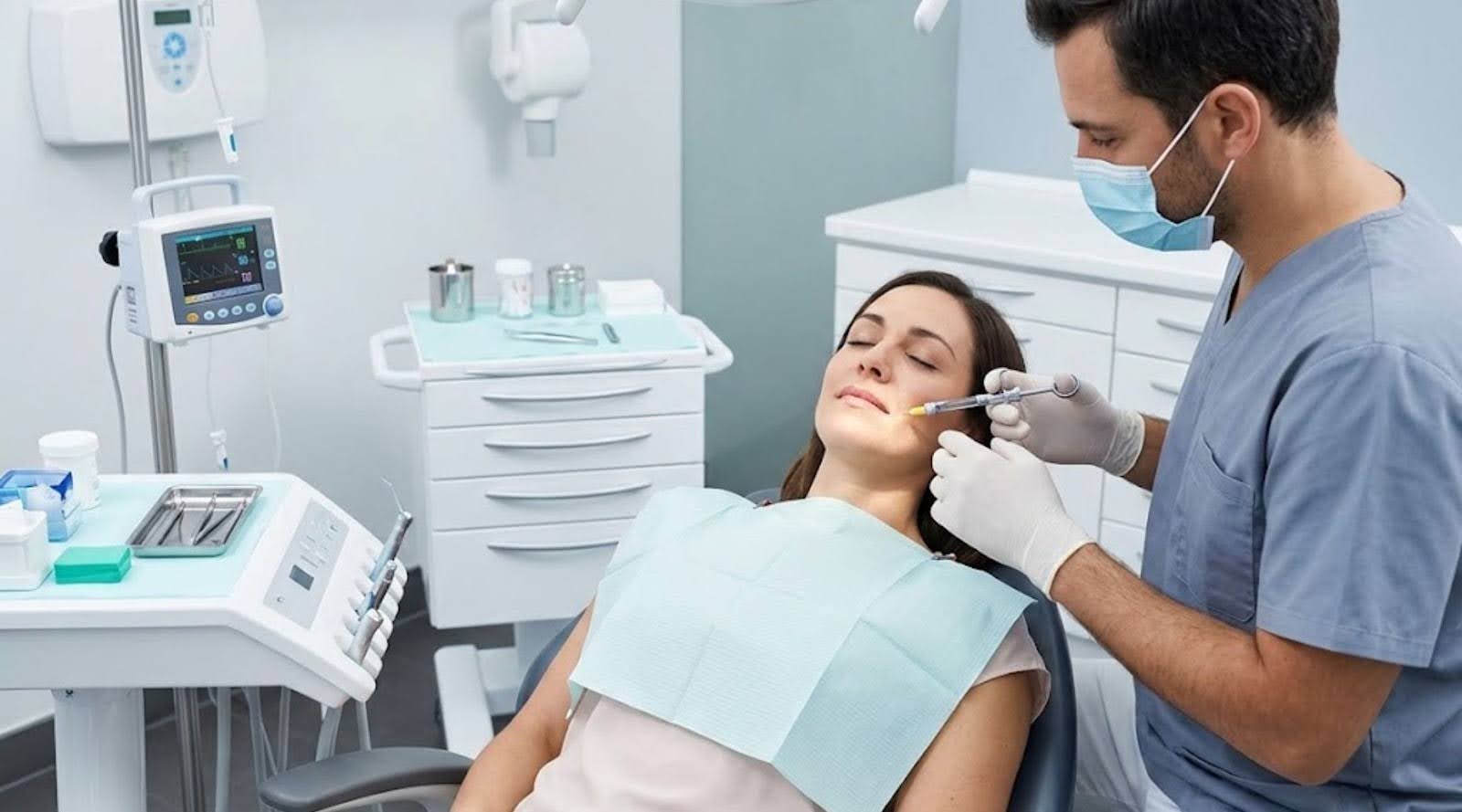
Patient comfort is a central concern in oral surgery. Clear understanding of IV sedation versus local anesthesia helps shape expectations and improves the perioperative experience. This guide reviews each method, their advantages and risks, and how they address different clinical and anxiety-related needs. In Sioux Falls, patients can access multiple safety-focused comfort options. After reading, you should better understand which approach may suit you if dental anxiety or procedural discomfort is a concern.
IV Sedation vs. Local Anesthesia for Oral Surgery Patients in Sioux Falls, SD
IV sedation and local anesthesia are the two primary strategies for controlling pain and anxiety in oral surgery. IV sedation delivers sedative agents directly into the bloodstream for deeper relaxation and limited memory of the event. Local anesthesia numbs only the treatment area, allowing patients to remain conscious but pain-free. Recognising these operational differences enables patients in Sioux Falls to make informed choices about their comfort plan when considering oral surgery sioux falls sd.
Differences:
The distinctions between IV sedation and local anesthesia materially affect the surgical experience and perioperative management.
- Awareness During Procedure: With IV sedation, patients may have little to no memory of the procedure, while local anesthesia allows patients to be fully aware and responsive.
- Pain Management Techniques: IV sedation provides a more profound level of pain relief, whereas local anesthesia targets only the surgical site.
- Administration Methods: IV sedation is delivered through an intravenous line, while local anesthesia is typically injected directly into the tissue surrounding the surgical area.
These distinctions help patients and clinicians select the sedation strategy that best matches clinical complexity and individual tolerance.
Benefits:
Both IV sedation and local anesthesia provide clear benefits tailored to specific procedures and patient needs.
- IV Sedation: This method is particularly beneficial for patients with dental anxiety, as it helps them relax deeply and often forget the procedure altogether.
- Local Anesthesia: Ideal for minor procedures, local anesthesia allows patients to remain alert and communicate with their oral surgeon while ensuring they feel no pain.
- Patient Comfort Considerations: Both methods prioritize patient comfort, but the choice depends on the complexity of the procedure and the patient’s anxiety levels.
Siouxland Oral Surgery encourages patients to discuss sedation preferences during preoperative consultations so the care plan aligns with clinical needs and comfort goals.
Risks:
Although both approaches are routinely used and generally safe, each carries specific risks that warrant discussion.
- Potential Allergic Reactions: Some patients may experience allergic reactions to the medications used in either sedation method.
- Risks of IV Sedation: IV sedation requires careful monitoring due to the potential for respiratory depression or other complications.
- Monitoring Requirements: Local anesthesia is typically safer for minor procedures, but it still requires monitoring to ensure the patient remains comfortable and pain-free.
A clear discussion of risks and monitoring requirements allows patients to consent to a sedation plan with full understanding.
Available Comfort Options:
Sioux Falls patients can access a range of comfort measures designed to improve safety and reduce anxiety during oral surgery.
- Discussion of Comfort Measures: Before any procedure, patients are encouraged to discuss their comfort preferences with their oral surgeon.
- Role of Oral Surgeons: Oral surgeons play a crucial role in assessing patient needs and recommending the most suitable sedation method.
- Patient Preferences: Ultimately, the choice between IV sedation and local anesthesia should align with the patient’s comfort level and the nature of the procedure.
By prioritizing patient comfort, Siouxland Oral Surgery seeks to deliver safe, effective care and a positive perioperative experience.
Research shows that most patients prefer a collaborative, patient‑involved approach when selecting anesthetic care.
Patient Preferences for Anesthesia & Shared Decision-Making
Most patients prefer a patient-led or shared decision‑making process when it comes to their anesthetic care and want to be engaged in the decision. However, only a small percentage of patients reported being fully engaged in the decision. Further studies should inform future shared decision‑making tools, informed consent materials, educational materials and framing of anesthetic choice.
A survey of surgical patients’ perspectives and preferences towards general anesthesia techniques and shared-decision making, MC Politi, 2023
What Are IV Sedation and Local Anesthesia in Oral Surgery?
IV sedation and local anesthesia are distinct clinical techniques to control pain and anxiety during oral surgery.
- IV Sedation: This method involves administering sedative medications through an intravenous line, allowing for rapid onset and deep relaxation. Patients often have little to no memory of the procedure, making it an excellent choice for those with anxiety.
- Local Anesthesia: This technique involves injecting anesthetic directly into the tissue surrounding the surgical site, numbing the area while allowing the patient to remain fully conscious and aware.
Both techniques improve comfort; selection depends on the procedure’s invasiveness and the patient’s clinical profile and anxiety level.
How Does IV Sedation Work to Enhance Patient Comfort?
IV sedation produces rapid systemic sedation by delivering agents directly into the bloodstream. The resulting relaxation reduces procedural anxiety and often blunts memory of the event, which many patients find beneficial. For patients with significant apprehension, IV sedation can improve tolerance and overall satisfaction with necessary dental care.
What Is Local Anesthesia and How Is It Applied During Oral Surgery?
Local anesthesia numbs a targeted area by injecting an anaesthetic into the tissues around the surgical site. Patients remain awake and communicative while the operative site is pain-free. This technique is appropriate for many minor oral procedures where deep sedation is not required.
How Do IV Sedation and Local Anesthesia Compare in Safety and Effectiveness?
Both IV sedation and local anesthesia are safe and effective when delivered by qualified clinicians and accompanied by appropriate monitoring.
- Safety Protocols: IV sedation requires careful monitoring of the patient’s vital signs, while local anesthesia is generally safer for less invasive procedures.
- Effectiveness in Pain Management: IV sedation is often more effective for managing anxiety and pain during complex procedures, whereas local anesthesia is suitable for simpler surgeries.
- Patient Outcomes: Both methods can lead to positive patient outcomes, but the choice depends on individual needs and the nature of the procedure.
What Are the Safety Protocols for Outpatient Sedation in Sioux Falls?
Outpatient sedation protocols in Sioux Falls focus on continuous monitoring and readiness to manage complications to protect patient safety.
- Monitoring Requirements: Patients receiving IV sedation are closely monitored throughout the procedure to ensure their safety.
- Emergency Protocols: Oral surgeons are trained to handle any potential complications that may arise during sedation.
- Patient Safety Measures: Comprehensive preoperative assessments help identify any risks associated with sedation, allowing for tailored approaches to each patient’s needs.
These protocols establish a safe environment for delivering sedation outside of a hospital setting.
How Do Recovery Times Differ Between IV Sedation and Local Anesthesia?
Recovery timelines differ between the two methods and should factor into planning for the day of surgery.
- Recovery Expectations: Patients who undergo IV sedation may require additional time to recover fully, as the sedative effects can linger for several hours.
- Factors Affecting Recovery: Individual factors, such as age and overall health, can influence recovery times for both methods.
- Post-operative Care: Following any sedation, patients are advised to have a responsible adult accompany them home, especially after IV sedation.
Knowing expected recovery dynamics helps patients arrange appropriate post‑operative support and avoid complications.
Which Oral Surgery Sedation Option Is Best for Managing Anxiety and Pain?
Selecting the optimal sedation strategy depends on the procedure and the patient’s anxiety and medical status.
- Patient Anxiety Levels: For patients with significant anxiety, IV sedation may be the preferred choice, as it provides deeper relaxation and amnesia of the procedure.
- Pain Management Effectiveness: Local anesthesia is effective for pain management during minor procedures, allowing patients to remain alert and engaged.
- Consultation Recommendations: Patients are encouraged to discuss their concerns and preferences with their oral surgeon to determine the most suitable sedation method.
How Does IV Sedation Benefit Patients with Dental Anxiety?
IV sedation reliably reduces anxiety and improves patient comfort during invasive dental procedures.
- Anxiety Reduction: The deep relaxation achieved through IV sedation can help alleviate fears associated with dental procedures.
- Patient Testimonials: Many patients report feeling more at ease and less aware of the procedure, leading to a more positive experience.
- Surgical Experience: By minimizing anxiety, IV sedation allows patients to undergo necessary treatments without the emotional distress often associated with dental visits.
Clinical reports support IV sedation’s role in lowering preoperative anxiety for selected patients undergoing oral surgery.
IV Sedation for Oral Surgery Reduces Preoperative Anxiety
Results: Low preoperative anxiety was observed in 27.8% of patients included in this study for conscious intravenous sedation for oral surgery.
Relationship between preoperative anxiety and postoperative satisfaction in dental implant surgery with intravenous conscious sedation, 2010
When Is Local Anesthesia the Preferred Choice for Oral Surgery?
Local anesthesia is often preferred for less invasive oral procedures and for patients who wish to remain fully conscious.
- Types of Procedures: It is commonly used for procedures such as fillings, extractions, and minor gum surgeries.
- Patient Preferences: Some patients prefer to remain awake and aware during their treatment, making local anesthesia an ideal option.
- Health Considerations: For patients with certain medical conditions, local anesthesia may be safer than IV sedation.
What Should Patients Expect When Preparing for Sedation Dentistry in Sioux Falls?
Preparation for sedation dentistry includes clear instructions and coordination to ensure safety on the day of surgery.
- Pre-procedure Instructions: Patients will receive specific instructions regarding fasting and medication adjustments prior to their procedure.
- Transportation Arrangements: Due to the effects of sedation, patients should arrange for a responsible adult to accompany them home.
- Health Assessments: A thorough health assessment will be conducted to identify any potential risks associated with sedation.
Following preoperative guidance reduces risk and supports a predictable, safe surgical experience.
How to Prepare Safely for IV Sedation Before Oral Surgery?
Safe preparation for IV sedation requires adherence to fasting and thorough medical review.
- Fasting Requirements: Patients are typically advised to refrain from eating or drinking for a specified period before the procedure.
- Health History Review: A comprehensive review of the patient’s health history will help identify any potential risks associated with sedation.
- Post-operative Care: Patients should be aware of the need for assistance following the procedure, as the effects of sedation can linger.
Adhering to these steps helps clinicians provide sedation safely and reduces the chance of perioperative complications.
What Are the Preoperative Guidelines for Local Anesthesia Procedures?
Preoperative guidance for local anesthesia focuses on medication review, health assessment and clear communication.
- Pre-surgery Instructions: Patients will receive specific instructions regarding medications and dietary restrictions prior to their procedure.
- Health Considerations: A thorough health assessment will help identify any potential risks associated with local anesthesia.
- Patient Communication: Open communication with the oral surgeon is essential for addressing any concerns or questions prior to the procedure.
These measures promote a smooth operative course and support patient safety.
What Do Patients Say About Their Experiences with IV Sedation and Local Anesthesia?
Patient reports vary, but many describe improved comfort and satisfaction when sedation and monitoring match their needs.
- Patient Feedback: Many patients report positive experiences with both methods, highlighting the importance of comfort during procedures.
- Common Concerns: Some patients express concerns about the potential side effects of sedation, while others appreciate the pain relief provided by local anesthesia.
- Satisfaction Rates: Overall, satisfaction rates tend to be high among patients who prioritize comfort and safety during their oral surgery.
Reviewing patient experiences helps clinicians refine sedation planning and counsel future patients on realistic expectations.
A controlled study reported differences in satisfaction and physiological stability favoring IV sedation plus local anesthesia in selected surgical patients.
IV Sedation vs. Local Anesthesia: Patient Satisfaction & Hemodynamic Stability
Periodontal or oral surgery patients were recruited and distributed into two groups: (1) sedation group (SG): intravenous sedation plus local anesthesia; (2) control group (CG): local anesthesia only. The overall patient satisfaction score was significantly higher in the SG group compared to CG. Intravenous moderate sedation seems to contribute to stabilize the hemodynamic values, and enhances the patient satisfaction after periodontal and oral surgical treatment in the dental office.
Evaluation of hemodynamic changes and patient-reported outcome measures in surgical therapy with or without intravenous sedation: a prospective controlled clinical …, J Gargallo-Albiol, 2023
How Can You Schedule a Consultation to Discuss Your Oral Surgery Sedation Options?
Scheduling a consultation to discuss sedation is straightforward and starts with contacting the practice to arrange an appointment.
- Contact Information: Patients can reach out to Siouxland Oral & Maxillofacial Surgery to schedule an appointment.
- Consultation Process: During the consultation, patients will have the opportunity to discuss their concerns and preferences regarding sedation.
- Preparation for the Appointment: Patients are encouraged to prepare any questions they may have about the sedation process and what to expect during their procedure.
Taking this step ensures a personalised plan that prioritises safety, comfort and the best possible clinical outcome.
Frequently Asked Questions
What factors should I consider when choosing between IV sedation and local anesthesia?
Consider the procedure’s complexity, your anxiety level, and your medical history. IV sedation suits more invasive surgeries or patients with high anxiety because it provides deeper relaxation. Local anesthesia is appropriate for minor procedures when you prefer to remain awake. Discuss these factors with your oral surgeon to select the safest, most effective option for you.
Are there any specific health conditions that may affect my sedation options?
Certain medical conditions can influence sedation choice. Patients with respiratory disease, significant cardiovascular conditions, or known drug allergies may face higher risks with IV sedation. In such cases, local anesthesia may be safer. Provide a complete medical history and current medication list so your oral surgeon can tailor the sedation plan to your health.
How can I manage anxiety before my oral surgery?
Manage anxiety through open discussion with your oral surgeon, who can explain options and recommend the appropriate sedation strategy. Relaxation techniques—deep breathing, guided imagery or calming music—may help. If anxiety is severe, ask about preoperative medications or IV sedation to improve comfort during the procedure.
What should I expect during the recovery period after IV sedation?
After IV sedation you will be monitored until stable. Patients commonly feel groggy or disoriented for several hours. A responsible adult must accompany you home and remain with you as you recover. Follow post‑operative instructions from your oral surgeon to support a safe recovery.
Can I eat or drink before my procedure if I choose IV sedation?
Patients are typically instructed to fast for a specified period before IV sedation to reduce the risk of aspiration and other complications. Your oral surgeon will give precise fasting and medication instructions—follow them closely to ensure safety during the procedure.
What are the signs of a potential allergic reaction to anesthesia?
Possible signs of an allergic reaction include hives, facial or throat swelling, difficulty breathing, or a rapid heartbeat. If you experience any of these symptoms during or after anesthesia, inform the clinical team immediately. Clinicians are trained to treat allergic reactions; always report known allergies before your procedure.
How can I ensure a smooth consultation regarding my sedation options?
Prepare a list of questions and bring your medical history, current medications, and any prior anesthesia experiences. Be candid about your anxiety and preferences. Clear communication lets your oral surgeon design a sedation plan that meets your safety and comfort needs, improving the overall surgical experience.
Conclusion
Knowing the practical differences between IV sedation and local anesthesia helps patients in Sioux Falls make informed choices for oral surgery. Each approach has specific benefits and considerations; the right selection depends on the procedure, medical history and patient comfort goals. Discuss your preferences with your oral surgeon to identify the safest option that reduces anxiety and manages pain effectively. Schedule a consultation to review your options and plan care that supports a positive surgical outcome.