
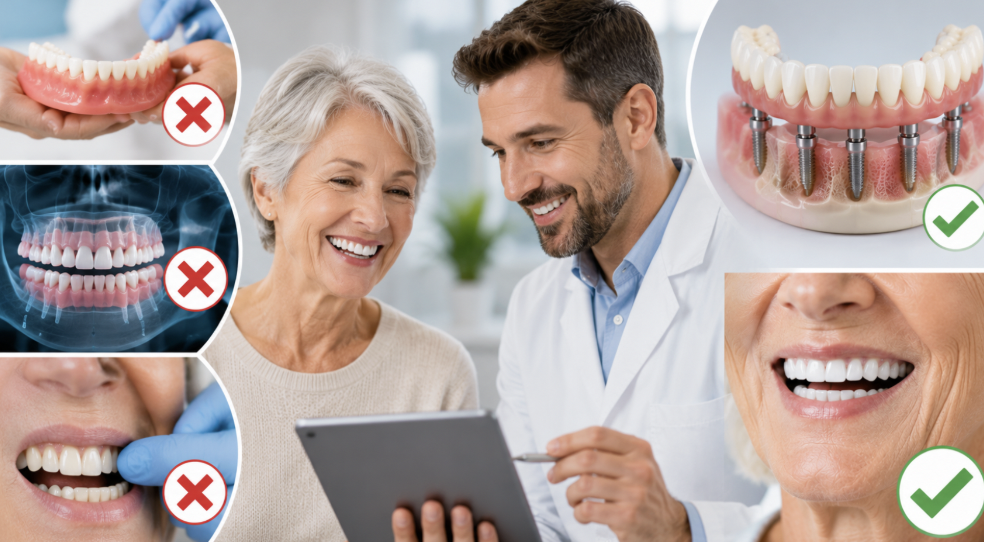
Full-arch restoration, typically using dental implants, is an effective treatment for extensive tooth loss. Persistent myths can discourage suitable candidates, so this article clarifies common misconceptions about safety, success rates, and long-term performance. Using evidence-based information, we review implant safety, survival statistics, expert perspectives, patient experiences, long-term outcomes, and maintenance requirements to support informed decision-making.
Dental Implant Safety
Patient safety is central to implant therapy. Clinical research shows full-arch implants have a favorable safety profile when placed by experienced oral surgeons. The procedure places multiple implants that secure a prosthetic arch to the jawbone, restoring function and improving comfort compared with conventional dentures.
Trust in the treating team matters. Siouxland Oral Surgery, recognised for its expertise in implant procedures, emphasises care within a properly equipped clinical setting. When patients can verify the qualifications and training of their surgical team, their comfort and satisfaction typically improve.
What Clinical Studies Prove the Safety of Full-Arch Restorations?
Clinical studies substantiate the safety of full-arch restorations. Multiple investigations report low complication rates when implants are placed correctly, confirming that patients can gain substantial benefits while keeping surgical risks to a minimum.
How Does Expert Surgical Training Enhance Implant Procedure Safety?
Specialised surgical training improves procedural safety. Oral surgeons skilled in current techniques and technologies reduce intraoperative risk, manage complications effectively, and coordinate perioperative care to support a more predictable recovery for patients.
Success Rates
Success rates are a key consideration for prospective patients. Contemporary studies report implant survival at approximately 97–98% and prosthetic survival around 94–96%, reflecting the strong effectiveness of this treatment. Individual outcomes depend on patient health, surgical expertise, and the quality of postoperative care.
| Implant Type | Success Rate | Notes |
| Full-Arch Implants | 97-98% | High success, particularly with proper care |
| Traditional Implants | 90-95% | Varies based on individual health conditions |
| Immediate Loading | 89% | Requires careful patient selection and management |
These figures demonstrate the reliability of full-arch dental implants when placed and managed by experienced clinicians.
Expert Insights
Dental experts emphasise a multidisciplinary approach, with surgeons and restorative specialists collaborating to design personalised treatment plans. This coordinated care improves functional and aesthetic outcomes and addresses each patient’s specific needs.
Patient Testimonials
Patient accounts demonstrate the tangible benefits of full-arch restoration. Many report marked improvements in chewing, speech, facial appearance, and overall quality of life.
- Enhanced Confidence: Patients frequently express increased self-esteem post-treatment due to improved smiles.
- Functional Improvement: Many report that their ability to eat and speak improved dramatically.
- Long-term Satisfaction: A significant number of patients find that their investment in implants has paid off in terms of durability and comfort.
These firsthand stories offer reassurance to those considering full-arch restoration. For additional information and guidance, patients can consult various resources.
Long-Term Outcomes
Long-term outcomes extend beyond cosmetic improvements. Implants transmit biomechanical load to the alveolar bone, helping preserve bone volume and maintain facial form, which reduces progressive bone loss over time.
Sustained dental function also supports better nutrition and overall health, since patients can choose a wider range of foods and maintain a balanced diet.
Maintenance and Care
Long-term success depends on consistent maintenance. Regular clinical reviews allow professionals to assess the condition of implants and prostheses. Key practices include:
- Oral Hygiene: Daily brushing and flossing to maintain gum health.
- Professional Cleanings: Scheduled bi-annual visits to the dentist for thorough cleanings.
- Lifestyle Considerations: Avoiding habits that could jeopardize the integrity of the implants, such as smoking or excessive alcohol consumption.
Adhering to these measures extends prosthesis longevity and supports the patient’s oral and systemic health.
How Does Post-Operative Care Influence Full-Arch Implant Longevity and Comfort?
Postoperative care is vital to implant integration and comfort. Following prescribed medications, pain-control strategies, and scheduled follow-ups promotes healing and osseointegration.
What Implant Maintenance Practices Optimize Long-Term Outcomes?
A disciplined maintenance routine optimises long-term outcomes. Daily oral hygiene and routine dental examinations enable early detection of issues and help prolong implant lifespan.
How Is Recovery Managed to Enhance Patient Comfort and Safety?
Surgeons provide detailed postoperative instructions on care, diet, and activity to reduce discomfort and support healing. Effective recovery management eases pain and facilitates a safer return to normal function. Patients requiring extraction prior to restoration can learn more about this procedure here: tooth extraction.
What Advances Are There in Full-Arch Restoration Technologies like All-on-4?
Recent advances, notably All-on-4, have improved treatment efficiency and outcomes. In appropriate cases, All-on-4 permits immediate prosthetic loading, shortening restoration time while maintaining strong success rates.
How Does All-on-4 Technology Improve Treatment Efficiency and Success?
All-on-4 achieves full-arch restoration with four strategically placed implants, often reducing the need for grafting. This approach can shorten treatment time, lower surgical complexity, and in some cases reduce related expenses while supporting favourable outcomes.
Are There Myths Surrounding the Eligibility and Effectiveness of All-on-4 Implants?
Misconceptions persist about All-on-4 eligibility and durability. While bone loss can present challenges, evidence shows that All-on-4 can be suitable for many patients previously considered poor candidates for traditional implants when clinicians apply careful case selection and planning.
Where Can Patients Find Trusted Information and Support on Full-Arch Implant Myths?
Patients should consult reputable dental practices and peer-reviewed resources for trustworthy information. Siouxland Oral Surgery provides educational materials and consultations to address misconceptions and offer clear, evidence-based guidance.
What Patient Testimonials Support the Safety and Effectiveness of These Procedures?
Patient testimonials validate the safety and efficacy of full-arch restorations. Firsthand accounts from treated individuals help address concerns and reassure prospective patients about expected outcomes.
How Does Siouxland Oral Surgery Provide Educational Resources and Consultation?
Siouxland Oral Surgery offers comprehensive educational resources and personalised consultations. During consultations, clinicians answer questions, explain procedural steps, and clarify anticipated outcomes so patients can make informed choices.
Frequently Asked Questions
1. What are the key benefits of full-arch restoration compared to traditional dentures?
Full-arch restoration offers clear advantages over traditional dentures. Implants anchor the prosthesis to the jawbone, providing superior stability and comfort. Patients typically experience improved chewing function, which supports better nutrition, and implants help preserve jawbone volume to reduce facial collapse. Unlike removable dentures that may shift or require adhesives, implant-supported restorations deliver a fixed, long-term solution that restores function and confidence.
2. Are there any age restrictions for individuals considering full-arch restorations?
There is no strict age cutoff for full-arch restoration. Candidates must have healthy soft tissues and sufficient bone to support implants; young adults are eligible once jaw growth is complete, and many older adults gain substantial benefit. A clinical assessment determines individual suitability and any necessary preparatory treatments.
3. How often should I visit the dentist after receiving full-arch implants?
Routine check-ups every six months are recommended. Regular professional reviews, together with daily brushing and flossing, allow your dental team to monitor implant health and address concerns promptly to preserve long-term function.
4. Can full-arch restorations be removed, and how is that managed?
Implant-supported restorations are intended as permanent fixtures, but clinicians may remove the prosthesis for repairs or adjustments. Dentists use specialised techniques to detach restorations safely; patients should not attempt removal themselves to avoid damage or complications.
5. How long does the full-arch restoration process typically take?
Timelines vary by case, but treatment commonly spans three to six months, including consultation, imaging, implant placement, and the healing period required for osseointegration. Procedures such as bone grafting will extend the schedule. Your dental team will provide a personalised timeline based on your clinical needs.
6. What lifestyle changes should I consider after getting full-arch implants?
To promote healing and long-term success, avoid tobacco and limit alcohol consumption. Maintain a balanced diet and meticulous oral hygiene, and initially avoid hard or sticky foods until you are fully adapted to the restoration.
7. Are there financing options available for full-arch restoration procedures?
Many practices, including those specialising in full-arch restoration, offer financing options such as payment plans, third-party financing, and potential insurance coverage. Discuss financing during your consultation so the team can outline available plans that suit your budget.
Conclusion
Full-arch restoration is a transformative option for significant tooth loss, delivering improved function, preservation of jawbone, and enhanced aesthetics. By dispelling common myths, prospective patients can better assess whether implants meet their needs. We encourage you to review your options and consult a qualified dental professional. Visit Siouxland Oral Surgery to learn more about the advanced solutions we offer for restoring smiles.