
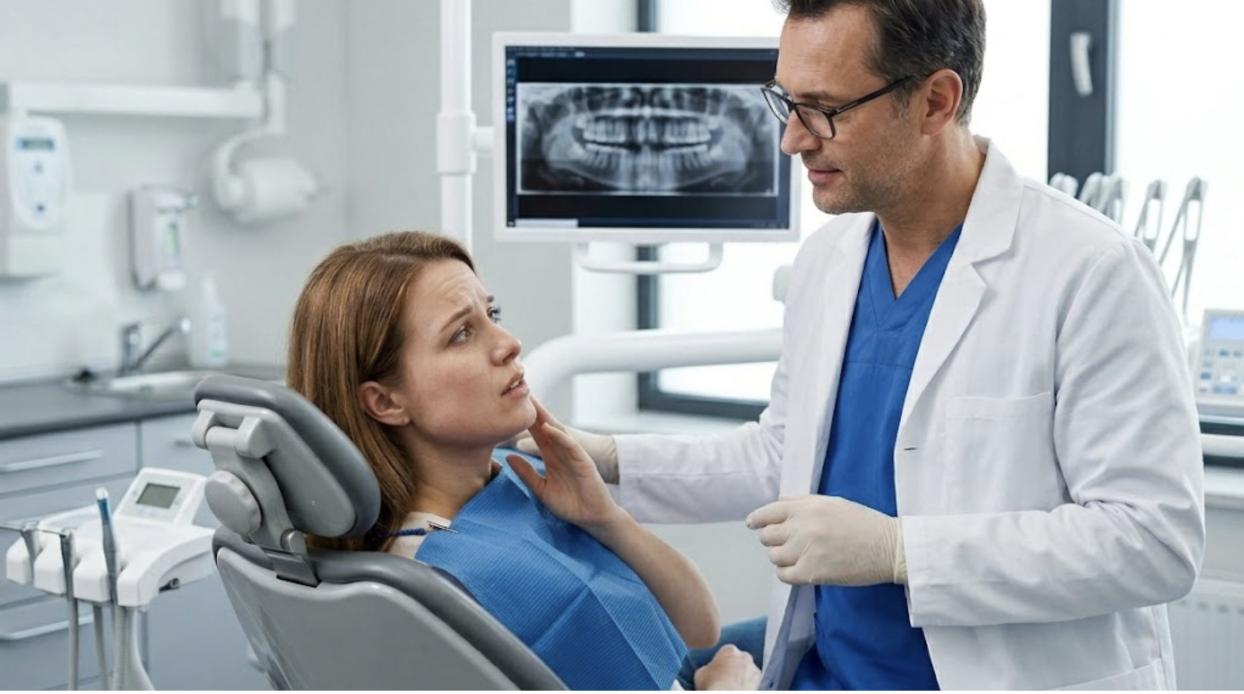
A tooth extraction can be uncomfortable, but clear guidance reduces pain, shortens recovery, and lowers complication risk. This article presents expert, practical steps to promote faster healing and help prevent dry socket (alveolar osteitis). Follow recommended post-operative care, dietary guidance, and wound-care practices to support a smooth recovery. Siouxland Oral Surgery offers individualized recovery plans and consultations for patients in Sioux Falls.
Recovery Tips
Successful recovery depends on attentive care to both general health and the surgical site. The following clinically recommended measures support healing and comfort:
- Plan for Downtime: Ensure you have adequate time to rest after your procedure. Avoid strenuous activities for at least 24 hours.
- Manage Pain Effectively: Use prescribed pain medications as directed. Over-the-counter options like ibuprofen can also help alleviate discomfort.
- Maintain Oral Hygiene: Gently rinse your mouth with warm salt water after 24 hours to keep the extraction site clean, but avoid vigorous rinsing.
Adhering to these recommendations reduces complications and supports timely healing. For specific questions or personalized instructions, schedule a consultation with Siouxland Oral Surgery.
Post-Operative Care
Post-operative care is essential to prevent complications and to promote tissue repair. Precise adherence to your surgeon’s instructions increases the likelihood of an uncomplicated recovery. Key care instructions include:
- Follow Instructions from the Surgeon: Always adhere to the specific guidelines provided by your oral surgeon regarding medication and care.
- Avoid Smoking and Straws: Smoking can hinder healing and increase the risk of dry socket. Similarly, sucking through a straw can dislodge the blood clot necessary for healing.
- Monitor for Complications: Keep an eye out for unusual symptoms such as excessive bleeding or severe pain, and contact your dentist if these occur.
Strictly following post-operative directions lowers the risk of complications and helps the extraction site heal as expected.
Information on Dry Socket
Dry socket, also known as alveolar osteitis, develops when the blood clot at the extraction site is lost or fails to form, exposing bone and nerve endings. This condition causes pronounced pain and delays recovery. Recognising dry socket and taking preventive steps are central to safe post-operative care.
What Is Dry Socket and How Can You Prevent It After Tooth Extraction?
Dry socket occurs when the clot that normally protects the socket is dislodged, leaving bone and nerves exposed. Patients typically experience severe pain and prolonged healing when this happens. To minimise risk, follow post-operative instructions closely and avoid activities that can disturb the clot.
Clinical studies reinforce that proactive prevention reduces the incidence of this painful complication.
Preventing Dry Socket After Tooth Extraction
Dry socket is one of the most common complications that develops after the extraction of a permanent tooth, and its prevention is more effective than its treatment. This systematic review analyzed the efficacy of different methods used to prevent dry socket in order to decrease its incidence after tooth extraction.
Efficacy of different methods used for dry socket prevention and risk factor analysis: A systematic review, 2017
What Causes Dry Socket and Who Is at Risk?
Several factors raise the likelihood of dry socket, including:
- Smoking: Tobacco use can impede blood flow and healing.
- Oral Contraceptives: Hormonal changes can affect blood clotting.
- Previous History: Individuals who have experienced dry socket in the past are at a higher risk.
Recognising these risk factors enables targeted actions to reduce your chance of developing dry socket.
A systematic review provides detailed analysis of causes, treatments, and prevention strategies for dry socket.
Dry Socket: Aetiology, Treatment, and Prevention
This systematic review aimed to provide a comprehensive summary of the aetiology, treatment, and prevention of dry socket. The authors included studies focused on dry socket aetiology, treatment, and prevention, and excluded studies addressing other post-extraction complications. They searched the PubMed database for publications from 2008 to 2013 using the terms “dry socket, aetiology, treatment and prevention,” limited to English-language articles. The search returned 82 records in PubMed, of which 36 publications met the inclusion criteria.
Systemic review of dry socket: aetiology, treatment, and prevention, B Tarakji, 2015
Treatment Options for Dry Socket
If dry socket occurs, clinicians can use several treatments to control pain and support healing:
- Medicated Dressings: Your dentist may place a medicated dressing in the socket to relieve pain and promote healing.
- Pain Management Options: Over-the-counter pain relievers or prescribed medications can help manage discomfort.
- Follow-Up Appointments: Regular check-ups with your dentist can ensure proper healing and address any complications.
These interventions typically provide symptom relief and facilitate socket recovery when applied appropriately.
Which Proven Dry Socket Prevention Tips Does Siouxland Oral Surgery Recommend?
Siouxland Oral Surgery recommends established measures to reduce dry socket risk after extraction, including:
- Follow Post-Operative Care Instructions: Adhering to your surgeon’s guidelines is crucial for preventing complications.
- Avoid Smoking: Quitting smoking or avoiding it during recovery can significantly reduce your risk.
- Practice Gentle Oral Care: Be cautious when brushing your teeth and avoid the extraction site until it has healed.
Adopting these practices supports healing, reduces pain, and lowers the chance of dry socket.
What Are the Best Foods to Eat After Tooth Extraction for Optimal Healing?
Nutrition influences recovery. Choosing appropriate foods supports tissue repair and comfort. Recommended options include:
Research highlights the important role of dietary choices in post-extraction recovery and overall healing.
Post-Extraction Nutritional Management & Food Intake
Functional impairment after third molar extraction may decrease food intake. Identifying associated factors will contribute to more appropriate postoperative nutritional management; this study explored those factors.
Factors associated with a reduced food intake after third molar extraction among adults: a cross-sectional study, Y Ito, 2022
- Soft Foods: Foods like yogurt, applesauce, and mashed potatoes are easy to eat and gentle on the extraction site.
- Nutrient-Rich Options: Incorporate smoothies and soups that are rich in vitamins and minerals to support healing.
- Hydration: Drink plenty of fluids, but avoid using straws to prevent dislodging the blood clot.
Selecting these foods helps maintain nutrition and comfort while protecting the healing socket.
Which Soft Diet Foods Support Healing and Comfort Post-Extraction?
A soft diet during the initial recovery period protects the socket while supplying needed nutrients. Suitable soft foods include:
- Pudding and Jell-O: These are easy to consume and provide hydration.
- Scrambled Eggs: A good source of protein that is soft and easy to chew.
- Oatmeal: Soft and nutritious, oatmeal can be a comforting meal option.
Including these items ensures adequate nutrition with minimal risk of disturbing the extraction site.
What Foods Should Be Avoided To Prevent Complications Like Dry Socket?
Certain foods can irritate the extraction area or dislodge the clot and should be avoided, including:
- Hard and Crunchy Foods: Foods like nuts and chips can irritate the extraction site.
- Sticky Foods: Caramel and other sticky substances can dislodge the blood clot.
- Spicy Foods: Spices can irritate the extraction site and cause discomfort.
Avoiding these items helps protect the clot and reduces the risk of complications such as dry socket.
What Is the Typical Oral Surgery Recovery Timeline After Tooth Extraction?
Knowing the expected recovery stages helps set realistic expectations. A typical timeline includes:
- Immediate Recovery Phase: The first 24 hours involve managing swelling and pain.
- Initial Healing Phase: Most patients experience significant improvement within 3-5 days.
- Full Recovery Expectations: Complete healing can take 6-8 weeks, depending on individual factors.
Understanding these phases helps you plan activity levels and follow post-operative care effectively.
How Can Pain Be Effectively Managed During Tooth Extraction Recovery?
Effective pain control improves comfort and supports recovery. Recommended strategies include:
- Medications: Use prescribed pain medications as directed, and consider over-the-counter options for additional relief.
- Cold Compresses: Applying a cold compress to the outside of your cheek can help reduce swelling and numb pain.
- Rest: Ensure you get plenty of rest to aid in the healing process.
Applying these measures helps maintain comfort and facilitates the healing process.
When Should Patients Seek Professional Help for Pain or Complications?
Know when to contact a clinician during recovery. Seek care if you experience:
- Signs of Complications: Excessive bleeding or severe pain that does not improve with medication.
- Fever: A fever may indicate an infection that requires medical attention.
- Persistent Symptoms: If symptoms do not improve within a few days, it is advisable to consult your dentist.
Prompt evaluation and treatment reduce the likelihood of prolonged problems and support a safer recovery.
When and How Should You Schedule a Consultation for Tooth Extraction at Siouxland Oral Surgery?
Scheduling a consultation is the first step when considering a tooth extraction. To proceed:
- Contact Information: Reach out to Siouxland Oral Surgery to discuss your needs and schedule an appointment.
- Preparation for Consultation: Be prepared to discuss your medical history and any concerns you may have.
- What to Expect: During your consultation, you will receive a thorough evaluation and personalized treatment plan.
Scheduling a consultation provides the assessment and guidance needed to plan a safe, effective procedure.
What Should Patients Expect During Their Initial Consultation?
At your initial consultation, expect a focused evaluation and clear communication about treatment options:
- Discussion of Needs: Your surgeon will discuss your dental health and specific needs.
- Diagnostic Assessment: X-rays or other diagnostic tools may be used to evaluate your condition.
- Personalized Treatment Planning: You will receive a tailored plan that addresses your unique situation and recovery goals.
This comprehensive approach ensures you understand the proposed treatment and the recovery plan.
How Does Siouxland Oral Surgery Personalize Recovery Plans to Ensure Safety and Comfort?
Siouxland Oral Surgery provides personalised recovery plans focused on safety and comfort. These plans include:
- Comprehensive Evaluation: Each patient undergoes a thorough assessment to identify specific needs.
- Comfort-Driven Care: Strategies are implemented to minimize discomfort during and after the procedure.
- Follow-Up Support: Ongoing support and check-ins ensure that patients are healing properly and address any concerns.
Personalised care and scheduled follow-up help achieve predictable, safer outcomes for patients.
For additional resources and detailed information on tooth extraction procedures, visit the resources page provided by Siouxland Oral Surgery.
Learn more about the tooth extraction procedure offered in Sioux Falls and surrounding areas to better understand what to expect during your treatment.
To conveniently manage your payments, Siouxland Oral Surgery offers an online option available at their payment portal.
Frequently Asked Questions
What are the signs of a dry socket, and how can I identify it?
Common signs include severe pain that begins a few days after the extraction, an empty-looking socket where the tooth was removed, and a foul odor or taste in the mouth. Patients may also have swelling and pain that does not respond to over-the-counter analgesics. If you suspect a dry socket, contact your dentist promptly for assessment and treatment to relieve pain and support healing.
How long does it take to fully recover from a tooth extraction?
Recovery time varies, but a typical course includes an immediate recovery phase of 24 hours, during which swelling and pain are managed. Most patients report marked improvement within 3–5 days. Complete soft-tissue healing often requires 6–8 weeks, though individual factors such as extraction complexity, overall health, and adherence to post-operative care can affect this timeline. Follow your dentist’s guidance for optimal healing.
Can I return to work or school immediately after a tooth extraction?
Return to daily activities depends on the procedure’s complexity and your comfort. Many patients resume normal activities within 1–2 days after a simple extraction. For more complex removals or if you experience significant pain or swelling, allow several days for recovery. Consult your dentist for personalised advice based on your case.
What should I do if I experience excessive bleeding after my extraction?
If you have excessive bleeding, remain calm and apply gentle pressure by biting on a clean gauze pad over the extraction site for about 30 minutes. Replace the gauze and continue gentle pressure if bleeding persists. If bleeding does not subside after an hour or worsens, contact your dentist immediately or seek emergency care.
Are there any specific medications I should avoid after a tooth extraction?
Certain medications can increase bleeding or interfere with healing. Non-steroidal anti-inflammatory drugs (NSAIDs) like aspirin are often advised against because they can thin the blood. Instead, follow your dentist’s recommendations for pain control, which may include acetaminophen or prescribed medications. Always consult your healthcare provider before starting new medications during recovery.
How can I ensure proper oral hygiene after a tooth extraction?
Good oral hygiene prevents infection and promotes healing. Begin gentle rinsing with warm salt water 24 hours after the procedure, avoiding forceful swishing. Brush carefully while avoiding the extraction site for the first few days, and do not use alcohol-containing mouthwash as it can irritate the area. Adhere to your dentist’s specific instructions for best results.
What lifestyle changes can help speed up recovery after a tooth extraction?
To support recovery, prioritise rest and avoid strenuous activity for at least 24 hours. Maintain hydration and follow a soft, nutrient-rich diet. Avoid smoking and alcohol, as both can impede healing. Most importantly, follow all post-operative care instructions provided by your dentist to minimise complications and promote a smooth recovery.
Conclusion
Following expert post-operative care, appropriate dietary choices, and effective pain management improves recovery and reduces complication risk. For tailored support and a personalised recovery plan, consider scheduling a consultation with Siouxland Oral Surgery. Review our resources and services to take the next step toward a safer, more comfortable recovery.