
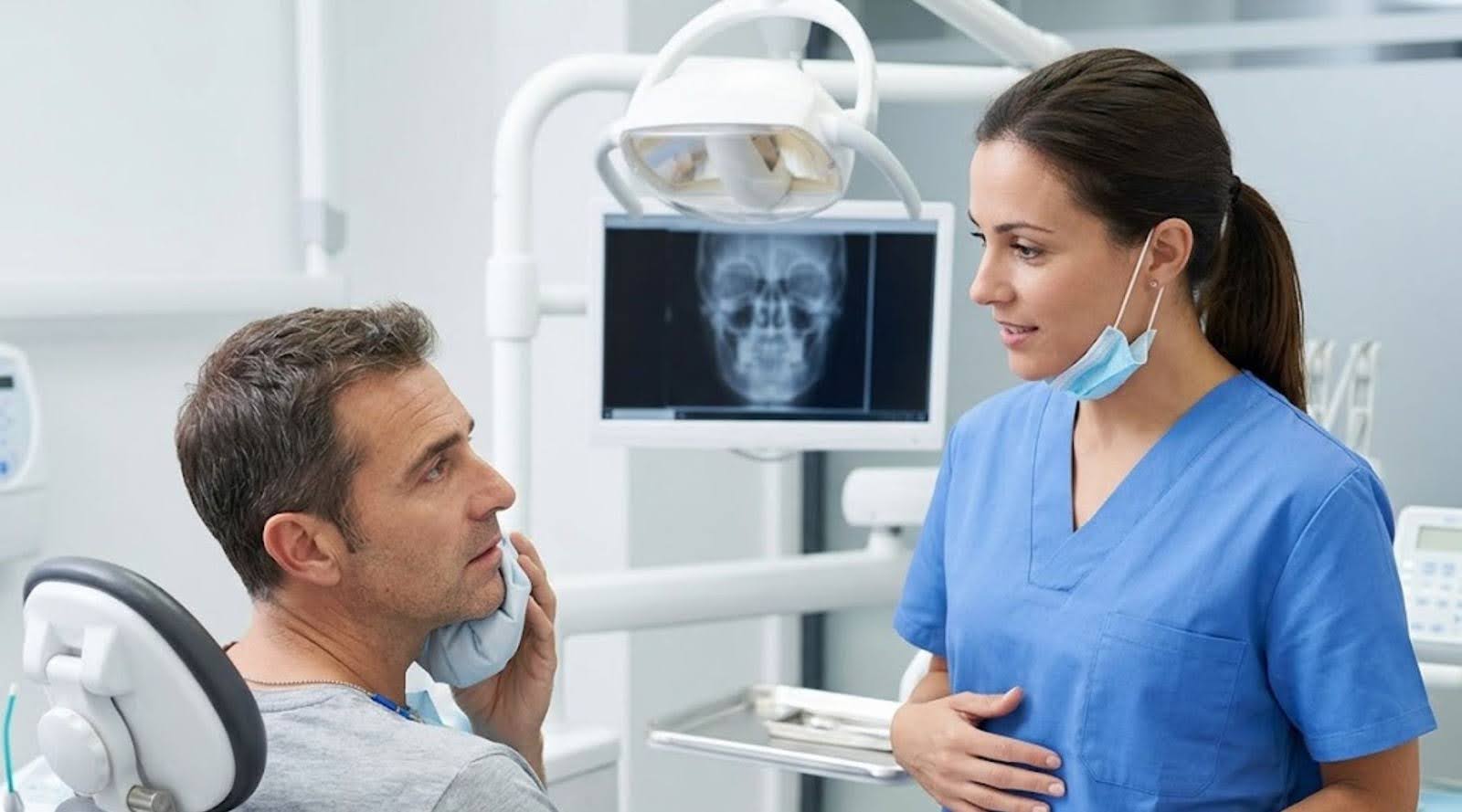
A jaw injury can be distressing and confusing. This guide outlines clear, practical steps for emergency facial trauma repair and recovery. You will find guidance on immediate care, follow-up treatment, rehabilitation, symptom recognition, when to seek emergency dental services, and the surgical options available in Sioux Falls. Knowing these steps improves healing and long-term outcomes, especially for those seeking oral surgery sioux falls sd.
Immediate Care
Timely care after a jaw injury reduces complications and supports recovery. Seek emergency treatment for severe pain or visible deformity. Control bleeding by applying gentle pressure with a clean cloth. Use ice packs to limit swelling and reduce pain. These measures stabilise the injury and allow clinicians to perform a thorough medical assessment.
Research on initial assessment protocols for facial trauma patients reinforces the importance of these immediate steps in stabilising patients.
Initial Assessment & Emergency Care for Facial Trauma Patients
Patients with facial trauma often present to the emergency department, urgent care or primary provider, and initial assessment and stabilization using Advanced Trauma Life Support (ATLS) or Basic Life Support (BLS) protocols can be life-saving.
Initial assessment of the facial trauma patient, 2021
Follow-Up Treatment
Follow-up care is essential to ensure bones and soft tissue heal correctly. Attend scheduled appointments so your clinician can monitor progress and adjust the treatment plan. Adhere to post-operative instructions closely; doing so shortens recovery time and reduces complications. Use prescribed pain medication as directed to maintain comfort while healing.
What Surgical Options Are Available for Jaw Fracture Treatment in Sioux Falls?
Sioux Falls offers several surgical approaches for jaw fractures designed to restore function and appearance. Surgeons may use plates, screws, or wires to stabilise fractured segments and minimise scarring. Selecting an experienced oral surgeon is critical, as surgical skill and judgement directly affect recovery and outcomes.
Rehabilitation Strategies
Rehabilitation supports return of normal jaw function. Begin with a soft diet to avoid strain and reintroduce solids gradually as directed. Prioritise rest and avoid strenuous activity during early healing. Perform gentle, clinician-recommended jaw exercises to rebuild strength and mobility and to reduce stiffness.
Systematic reviews on mandibular fracture rehabilitation emphasise structured programmes to improve functional recovery.
Functional Rehabilitation for Mandibular Fracture Recovery
The aim of this systematic review was to summarize the current evidence on functional rehabilitation after mandibular fractures to prepare the recommendations for possible further improvements in the management of condylar fractures.
Functional Rehabilitation after Mandibular Fracture-A Systematic Review, 2022
How to Recognize Jaw Injury Symptoms Promptly
Prompt recognition speeds treatment and improves results. Common signs include swelling, bruising, and localized pain. Difficulty opening or closing the mouth, changes in bite or tooth alignment, and visible deformity suggest a more serious injury. If you notice these signs, seek medical evaluation without delay.
What Immediate Actions Should You Take After Facial Trauma?
Taking prompt, measured action after facial trauma helps protect long-term function. Follow these key steps to manage the situation until professionals take over.
- Control Bleeding: Apply gentle pressure to any bleeding areas with a clean cloth.
- Stabilize the Jaw: Use a soft cloth or bandage to support the jaw if it feels unstable.
- Seek Medical Attention: Contact a healthcare provider or visit an emergency room for further evaluation.
These measures reduce risk and preserve options for definitive treatment by your care team.
How to manage bleeding and pain following a jaw injury
Effective bleeding control and pain management aid recovery. Over-the-counter analgesics may reduce discomfort if approved by your provider. Apply ice to the area to limit swelling and numb pain. Rest with the head elevated to reduce bleeding. Always follow your clinician’s instructions for safe pain control.
When and how to seek emergency dental trauma services in Sioux Falls
Seek emergency dental trauma care for severe pain, visible deformity, or avulsed teeth. Contact a local oral and maxillofacial surgeon promptly. If a tooth is knocked out, transport it in milk or saline to improve the chances of successful reattachment. Prompt evaluation can materially affect the final outcome.
How do oral surgeons repair facial fractures and jaw injuries?
Oral surgeons use established fixation methods—wires, plates, and screws—to stabilise fractured bones and restore occlusion. Clear post-operative instructions and wound surveillance are essential to prevent complications. Surgeons monitor for infection and ensure healing progresses as planned so patients regain function safely.
The comprehensive surgical and dental management of facial fractures has been described in historical and contemporary literature supporting these approaches.
Surgical & Dental Management of Jaw Fractures
THIS communication deals with thesurgical and dental management of 119 cases of fractures of the upper and lowerjaws which have been treated in an EMS Maxillo-Facial Unit Surgical and Dental Treatment of Fractures of the Upper and Lower Jaws in War Time: A Review of 119 Cases, 1941
What are the benefits of choosing Siouxland Oral Surgery for emergency facial trauma repair?
Choosing Siouxland Oral & Maxillofacial Surgery ensures access to experienced surgeons and advanced imaging for accurate assessment. The practice delivers comprehensive care that addresses both functional recovery and aesthetic concerns. Patients benefit from coordinated treatment plans and clinical experience focused on safe, effective outcomes.
What Should Patients Expect During Recovery and Rehabilitation?
Expect swelling, bruising, and discomfort immediately after surgery. You will likely follow a soft diet at first and progress to solid foods as healing allows. Regular follow-up visits will track recovery and address complications early. Adherence to the care plan supports a predictable return of jaw function.
How to ensure safety and comfort during post-surgical care
Prioritise safety and comfort after surgery. Monitor for excessive bleeding and follow prescribed pain regimens. Watch for signs of infection such as increasing swelling, redness, or fever. Follow all post-operative instructions from your surgeon to support healing and reduce complications.
How to Choose the Right Jaw Injury Repair Specialists in Sioux Falls?
Select specialists based on board certification and documented experience in oral and maxillofacial surgery. Evaluate the clinician’s approach to patient care; clear communication and compassionate support improve the treatment experience. Research local options and seek recommendations to make an informed choice.
What qualifications and experience should you look for in dental trauma specialists?
Look for board certification and advanced training in oral and maxillofacial surgery when selecting a dental trauma specialist. These qualifications indicate the provider has the skills to manage complex facial injuries. Also consider the specialist’s communication style and support systems, which affect your overall care.
How do Siouxland Oral Surgery’s credentials and hospital affiliations enhance patient outcomes?
Siouxland Oral Surgery’s affiliations and clinical credentials support high-quality care. Board-certified surgeons and hospital partnerships provide access to advanced imaging and perioperative resources. This integrated approach enhances diagnostic accuracy and treatment effectiveness, improving patient outcomes during recovery.
Frequently Asked Questions
What are the common causes of jaw injuries?
Jaw injuries commonly result from sports accidents, falls, physical altercations, or motor vehicle collisions. Underlying bone conditions such as osteoporosis increase fracture risk. Recognising common causes helps with prevention, including use of protective equipment and cautious behaviour in high-risk situations. Seek prompt medical evaluation if you suspect an injury.
How long does recovery typically take after jaw surgery?
Recovery varies by injury severity and procedure. Initial healing often takes six to eight weeks. Full recovery, including return to normal function and diet, may take several months. Regular follow-up appointments allow clinicians to assess healing and manage any complications.
What dietary changes should be made after a jaw injury?
A soft diet protects the healing jaw. Recommended foods include yogurt, smoothies, mashed potatoes, and soups during the initial phase. Reintroduce solid foods gradually as advised by your clinician. Avoid hard, crunchy, or chewy items that could disrupt healing. Consult your provider or a nutritionist for a personalised plan.
What signs indicate a need for immediate medical attention after a jaw injury?
Seek immediate care for severe pain, marked swelling, or visible deformity. Other urgent signs include difficulty breathing, persistent bleeding, or inability to open or close the mouth. If teeth are knocked out or misaligned, contact emergency dental services. Prompt evaluation reduces the risk of long-term complications.
Can jaw injuries lead to long-term complications?
Yes. Untreated or poorly managed jaw injuries can result in chronic pain, chewing or speech difficulties, and dental misalignment. Some patients develop temporomandibular joint disorders. Early intervention and adherence to rehabilitation strategies reduce the likelihood of persistent problems.
What role does physical therapy play in jaw injury recovery?
Physical therapy restores mobility, strength, and function after jaw injury. A therapist prescribes targeted exercises, stretching, and strengthening techniques tailored to your needs. Regular therapy sessions can speed recovery, reduce pain, and lower the risk of recurrent issues.
Conclusion
Knowing the essential steps for emergency facial trauma repair supports better recovery after a jaw injury. Follow immediate care guidance, attend follow-up visits, and engage in structured rehabilitation to optimise outcomes. The expertise available at Siouxland Oral Surgery reinforces the value of coordinated, specialist care. For further guidance, review available resources or contact the practice.