
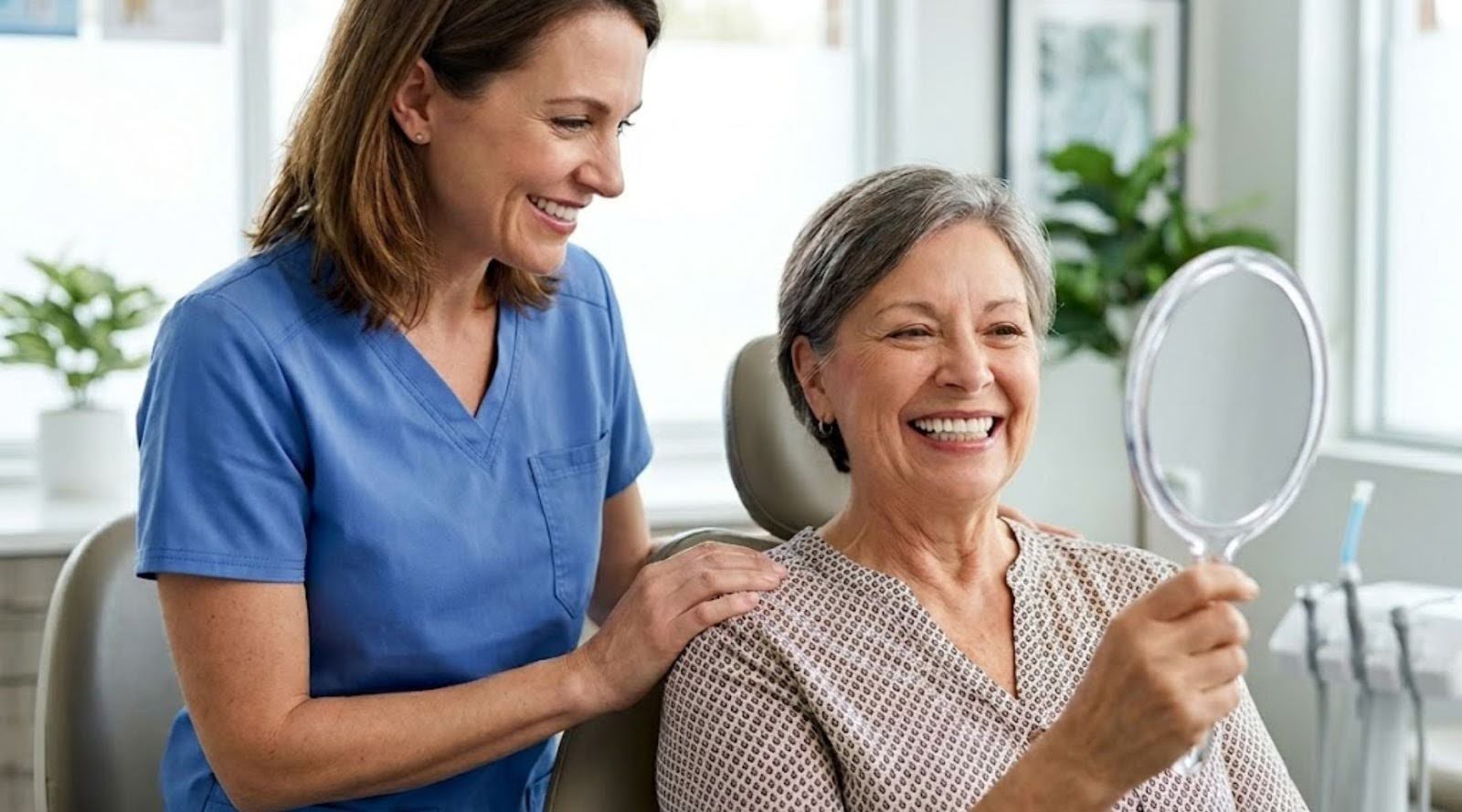
The Second Chance Program is a targeted initiative that restores smiles and improves quality of life for residents of Sioux Falls, South Dakota. The program provides advanced dental implant solutions to individuals who lack access to this level of care. Through philanthropic funding and community partnerships, Second Chance aims to improve oral health and rebuild patients’ confidence. Missing or damaged teeth can impair social function and overall well-being; the program addresses these consequences with evidence-based treatment. This article outlines the program‘s mission, the clinical procedures used, typical patient outcomes, and the application process.
What is the Second Chance Program and its mission in Sioux Falls?
The Second Chance Program is committed to restoring function and appearance through comprehensive dental implant care. Its mission is to deliver high-quality treatment to underserved individuals and those with financial need. By combining clinical expertise with community outreach, the program seeks measurable improvements in oral health across Sioux Falls. Beyond physical restoration, the initiative supports participants’ self-esteem and social reintegration through reliable, compassionate care.
Objectives
The program‘s objectives address both immediate clinical needs and sustained patient well-being. Primary goals include:
- Restoring Oral Health: Providing necessary dental procedures to improve oral function and aesthetics.
- Enhancing Self-Confidence: Helping individuals regain their confidence through improved smiles.
- Community Support: Engaging the local community in supporting those in need of dental care.
These objectives demonstrate the program‘s commitment to producing meaningful, long-term benefits for participants in Sioux Falls.
Procedures
The Second Chance Program provides full-arch restorations using dental implants, following a clear clinical pathway. The protocol includes assessment, surgical placement, and prosthetic restoration to restore function and appearance.
- Initial Consultation: Patients undergo a thorough evaluation to determine their specific needs and treatment options.
- Surgical Placement: Dental implants are surgically placed in the jawbone, providing a stable foundation for replacement teeth.
- Restoration: After a healing period, custom prosthetics are attached to the implants, completing the restoration process.
The protocol is designed to provide durable, evidence-based solutions for individuals affected by tooth loss.
Patient Outcomes
Participants in the Second Chance Program frequently experience substantial improvements in daily function and quality of life. Typical outcomes include:
- Enhanced Aesthetics: Patients report improved smiles and facial appearance.
- Improved Functionality: Many individuals regain the ability to eat and speak comfortably.
- Increased Confidence: The psychological benefits of having a restored smile lead to greater self-esteem and social engagement.
These outcomes underscore the clinically meaningful impact that dental implant rehabilitation can provide.
Clinical research supports the positive effect of dental implants on key functions such as eating and speaking, and on overall quality of life.
Dental Implants & Quality of Life: Before & After
Tooth loss impairs essential functions—specifically eating and speaking—and can negatively affect multiple aspects of quality of life. These consequences are experienced personally by the patient. The cited study compared patient-reported quality of life before and after receiving dental implants, documenting measurable improvements following implant rehabilitation.
Comparing the quality of life of patients requesting dental implants before and after implant, A Moeintaghavi, 2017
| Outcome | Description | Impact Level |
|---|---|---|
| Enhanced Aesthetics | Improved smile and facial structure | High |
| Improved Functionality | Better ability to eat and speak | High |
| Increased Confidence | Boosted self-esteem and social interaction | High |
The table summarises the primary patient outcomes associated with the Second Chance Program, demonstrating its effectiveness in restoring both function and quality of life.
Application Process
The application process is structured to identify eligible candidates and allocate resources appropriately. Steps are clear and documented to ensure fair review and support.
- Application Submission: Interested individuals must complete an application form detailing their dental needs and financial situation.
- Eligibility Assessment: A committee reviews applications to determine eligibility based on specific criteria.
- Notification: Applicants are informed of their status and next steps in the process.
This structured review ensures the program can prioritise those who will benefit most from dental implant care.
For those interested in scheduling a consultation, Siouxland Oral Surgery encourages potential candidates to contact the practice and begin the application. This first step is necessary to access the program‘s clinical and supportive services.
How does the program support patients through dental implant philanthropy?
Philanthropic contributions underpin the program‘s ability to deliver comprehensive implant care to eligible patients. Funding and community involvement enable access to clinically appropriate treatment.
- Financial Assistance: Funding is available to cover the costs of dental procedures for eligible individuals.
- Community Engagement: Local organizations and volunteers contribute to the program, helping to raise awareness and support for participants.
- Follow-Up Care: Ongoing support is provided to ensure that patients receive the necessary follow-up care after their procedures.
These support mechanisms are central to the program‘s clinical success and to patients’ long-term wellbeing.
What role does Siouxland Oral Surgery play in the Second Chance Program?
Siouxland Oral Surgery provides the clinical expertise and surgical services that the program requires. The practice contributes specialised care, coordination, and community engagement to ensure safe, effective treatment.
- Full-Arch Restoration Services: The practice offers advanced surgical solutions, including dental implants and full-arch restorations.
- Comprehensive Care: Patients receive personalized treatment plans tailored to their specific needs.
- Community Support: Siouxland Oral & Maxillofacial Surgery actively engages with the community to promote the program and its benefits.
Through clinical leadership and community partnership, Siouxland Oral Surgery helps the Second Chance Program achieve its goal of restoring smiles and improving lives.
How does full arch dental implant restoration work in the Second Chance Program?
Full-arch restoration within the program follows a multidisciplinary protocol to deliver a complete, functional dentition. Careful planning and staged treatment ensure predictable outcomes.
- Consultation and Evaluation: Patients undergo a thorough assessment to determine their suitability for the procedure.
- Surgical Placement: Implants are strategically placed in the jawbone to support a full arch of replacement teeth.
- Healing and Integration: A healing period allows the implants to integrate with the bone, ensuring stability and durability.
This comprehensive pathway delivers restorations that meet both functional and aesthetic goals for patients.
What are the advanced surgical techniques used for full arch restoration?
The program employs contemporary surgical techniques to optimise outcomes for full-arch restorations. These approaches reduce complexity and broaden candidacy for implant treatment.
- All-on-4® Treatment Concept: This technique allows for the placement of four implants to support an entire arch of teeth, minimizing the need for bone grafting.
- Trefoil™ System: A specialized approach that provides a fixed solution for patients with limited bone structure, ensuring optimal results.
These techniques are selected to maximise clinical predictability and to streamline the restoration process for eligible patients.
How do dental implants improve patient outcomes and quality of life?
Dental implants improve outcomes through restored function, preserved anatomy, and durable aesthetics. They address the functional deficits and psychosocial effects associated with tooth loss.
- Enhanced Aesthetics: Implants provide a natural-looking solution that restores the appearance of a full set of teeth.
- Improved Functionality: Patients regain the ability to eat a wider variety of foods and speak clearly.
- Bone Preservation: Implants help maintain jawbone density, preventing further deterioration associated with tooth loss.
These benefits highlight the role of implants in restoring not only smiles but also confidence and day-to-day function.
Who qualifies for the Second Chance Program and how to apply?
Eligibility is determined by specific criteria that identify candidates who need and will benefit from implant care. The program prioritises local residents with demonstrable financial need.
- Residency Requirements: Applicants must be residents of Sioux Falls or surrounding areas.
- Demonstrated Need: Individuals must show a financial need for assistance with dental care.
- Age Restrictions: The program may have age-related criteria for applicants.
Prospective applicants should review these qualifications carefully to determine eligibility before applying.
What are the criteria for free dental implant consultation in Sioux Falls?
Criteria for a complimentary consultation focus on residency, clinical need, and suitability for implant rehabilitation. The consultation is intended to identify candidates who may proceed to treatment.
- Residency: Applicants must reside in the local area.
- Need for Transformation: Individuals should demonstrate a clear need for dental restoration.
- Age Requirements: Certain age restrictions may apply to ensure appropriate candidates are considered.
These criteria help the program direct resources to patients most likely to achieve meaningful clinical benefit.
How does the patient evaluation and approval process work?
The evaluation and approval process uses documented steps to assess clinical need and financial eligibility. A committee-based review ensures consistent decision-making.
- Application Submission: Candidates submit their applications detailing their dental needs and financial situation.
- Committee Evaluation: A dedicated committee reviews applications to assess eligibility based on established criteria.
- Community Support: The program relies on community engagement to identify and support potential candidates.
This thorough process ensures the program allocates care to those who will gain the greatest clinical and psychosocial benefit.
What community outreach efforts support the Second Chance Program?
Community outreach is essential to the program‘s reach and sustainability. Outreach activities connect potential patients with resources and build local support.
- Awareness Campaigns: Local organizations work to raise awareness about the program and its benefits.
- Fundraising Events: Community events help generate funds to support the program and its participants.
- Volunteer Support: Volunteers contribute their time and resources to assist with various aspects of the program.
These outreach initiatives sustain patient access and support the program‘s long-term success.
How does the program enhance oral health equity in South Dakota?
The Second Chance Program advances oral health equity by expanding access to specialised implant care for underserved populations. Its efforts reduce barriers that commonly prevent people from receiving necessary treatment.
- Support for Underserved Populations: The program specifically targets individuals who may not have access to traditional dental care.
- Community Engagement: By involving local organizations and volunteers, the program fosters a sense of community support and collaboration.
- Transformative Impact: The program‘s efforts lead to significant improvements in the oral health and overall well-being of participants.
These initiatives reflect a sustained commitment to improving access and outcomes across the region.
Documented barriers to dental care in underserved communities reinforce the need for programs like Second Chance to address disparities in access and outcomes.
Addressing Oral Health Disparities & Access in Underserved Communities
Oral health disparities remain a significant public health issue, especially where access to dental services is limited. This review identifies barriers—such as socioeconomic limitations, geographic challenges and systemic gaps—that contribute to inequities. It recommends community-based strategies, preventive care, and increased funding to expand access, including mobile clinics and enhanced community health programming.
Oral Health Disparities: Addressing Access and Equity in Underserved Communities, 2024
What patient success stories demonstrate the program’s effectiveness?
Patient testimonials illustrate the program‘s clinical and personal impact. Many former participants recount significant functional and emotional improvements after treatment.
- Transformative Journeys: Participants often describe their journeys from dental despair to renewed confidence and functionality.
- Impact on Confidence: Many report significant improvements in self-esteem and social interactions following their treatments.
- Community Support: Success stories often emphasize the role of community support in their journeys, showcasing the program‘s collaborative nature.
These first-hand accounts serve as compelling evidence of the program‘s effectiveness and the positive changes it brings to participants’ lives.
How to schedule a consultation and what to expect at Siouxland Oral Surgery?
Scheduling a consultation at Siouxland Oral Surgery begins with an application and a clinical review. The process is designed to be clear and patient-centred.
- Application Process: Candidates will need to complete an application form detailing their dental needs.
- Contact Information: For inquiries, potential candidates can reach out to Siouxland Oral Surgery directly.
- Consultation Expectations: During the consultation, patients will receive a thorough evaluation and personalized treatment plan.
This pathway ensures candidates receive a comprehensive assessment and are prepared for the clinical steps that follow.
What is involved in the oral surgery consultation process?
The oral surgery consultation brings together diagnostic assessment, treatment planning, and patient education. The goal is to establish a safe, evidence-based plan tailored to the individual.
- Initial Consultation: Patients meet with dental professionals to discuss their needs and concerns.
- Personalized Treatment Planning: A tailored treatment plan is developed based on the patient‘s specific situation.
- Follow-Up Care: Patients receive guidance on post-operative care and follow-up appointments to ensure successful outcomes.
This structured consultation process supports safe treatment and monitors progress through recovery and prosthetic rehabilitation.
What financing and support options are available for dental implant procedures?
The program provides multiple financing and support options to reduce financial obstacles to implant care. Available resources are communicated during consultation to help patients plan treatment.
- Payment Plans: Flexible payment plans are available to help patients manage the costs of treatment.
- Insurance Acceptance: The program works with various insurance providers to maximize coverage for eligible patients.
- Consultation Details: Patients are encouraged to discuss financing options during their consultations to find the best solution for their needs.
These options are intended to reduce financial barriers and ensure eligible individuals can access necessary care.
For more information about oral surgery in Sioux Falls SD, please visit our website.
Frequently Asked Questions
What types of dental implants are offered in the Second Chance Program?
The program emphasises full-arch implant solutions to restore an entire dental arch. Treatment options include the All-on-4® Treatment Concept, which uses four implants to support a complete arch, and the Trefoil™ System, which offers a fixed prosthetic solution for patients with limited bone volume. These options allow clinicians to tailor treatment to each patient‘s anatomy and functional needs.
How does the Second Chance Program ensure patient safety during procedures?
Patient safety is central to all care provided by the program. Protocols include comprehensive pre-operative assessments, use of sterile surgical technique, and advanced imaging to guide precise implant placement. Experienced surgical teams monitor patients throughout treatment to reduce risk and ensure predictable outcomes.
What follow-up care is provided after dental implant procedures?
Post-operative care is an integral part of the treatment plan. Patients receive specific instructions on oral hygiene, diet, and pain management. Scheduled follow-up visits allow clinicians to monitor healing, assess implant integration, and address any concerns to support long-term success.
Are there any age restrictions for applicants to the Second Chance Program?
The program may apply age-related criteria when determining eligibility. Generally, the focus is on adult patients who require restorative intervention, although exceptions can be considered in select cases with significant clinical need. Prospective applicants should inquire directly to confirm any age-related policies.
How can community members get involved in supporting the Second Chance Program?
Community involvement is vital. Individuals can volunteer at events, participate in fundraising activities, and help raise awareness. Local organisations and businesses may sponsor initiatives or provide in-kind support. Community engagement both funds the program and strengthens local access to care.
What impact does the Second Chance Program have on local oral health disparities?
The Second Chance Program helps reduce oral health disparities by delivering specialised implant services to patients who otherwise lack access. By focusing resources on underserved individuals, the program improves individual health outcomes and contributes to broader community wellbeing. Its emphasis on equity ensures that more residents can obtain high-quality dental care.
Conclusion
The Second Chance Program provides advanced dental implant solutions that restore function, appearance, and confidence for underserved individuals in Sioux Falls. By combining clinical expertise, community support, and philanthropic funding, the program delivers safe, effective care and measurable improvements in quality of life. If you or someone you know may benefit, consider booking an appointment to begin the pathway to restorative treatment.