
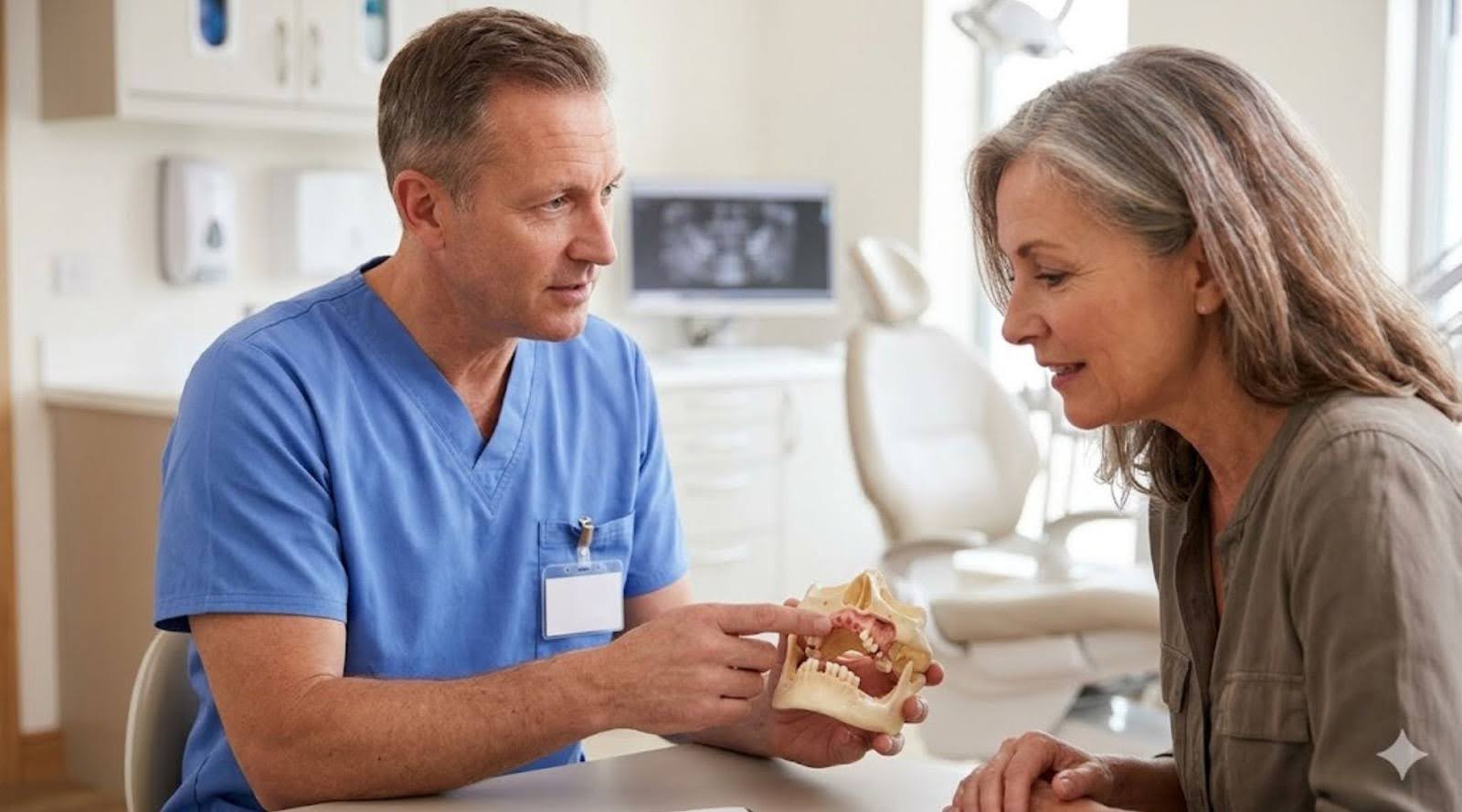
Bone grafting is a critical surgical option for patients who lack sufficient jawbone to support dental implants. The procedure augments the jaw using selected graft materials to establish a stable foundation for implants. Recognising the role of bone grafting improves the likelihood of implant success because it directly addresses bone deficiency. In this article, we review the common bone grafting procedures, their benefits, recovery expectations, and how Siouxland Oral Surgery personalizes treatment plans for patients in Sioux Falls, including those seeking oral surgery sioux falls sd. We also cover the sinus lift procedure and outline the risks, benefits, and typical costs associated with these interventions.
What Are Bone Grafting Procedures and Why Are They Essential for Dental Implants?
Bone grafting procedures are surgical methods used to restore or augment the jawbone so dental implants can be placed predictably. They recreate the bone structure necessary to support implants, promoting stability and long-term function. When bone density is insufficient, implants are at greater risk of failure, which can lead to additional treatment.
The central role of bone augmentation in achieving implant stability and long-term success is well documented in the dental literature.
Why Bone Augmentation is Crucial for Dental Implants
Dental implants require sufficient bone to be adequately stabilized. For some patients, implant treatment would not be feasible without bone augmentation. A range of materials and surgical techniques is available for bone augmentation.
Interventions for replacing missing teeth: bone augmentation techniques for dental implant treatment, 2006
Types of Bone Grafting Procedures
Several bone grafting procedures are used in clinical practice, each selected to address specific anatomic and functional needs:
- Socket Preservation: This procedure is performed immediately after tooth extraction to maintain the bone structure and prevent resorption.
- Ridge Expansion: This technique involves widening the jawbone to create enough space for implant placement.
- Sinus Lift: A specialized procedure that adds bone to the upper jaw by lifting the sinus membrane, allowing for successful implant placement in the back of the mouth.
These procedures establish a reliable foundation for dental implants and contribute to improved clinical outcomes.
Benefits of Bone Grafting
Bone grafting delivers several important patient benefits when preparing for dental implants:
- Increased Success Rates: By providing a stable foundation, bone grafting significantly enhances the likelihood of successful implant integration.
- Preservation of Facial Structure: Adequate bone volume helps maintain the natural contours of the face, preventing the sunken appearance often associated with bone loss.
- Improved Functionality: Restoring bone density allows for better chewing function and overall oral health.
Clinical studies have demonstrated improved implant success and survival when appropriate bone grafting techniques are employed.
Comparative Success Rates of Bone Grafts for Dental Implants
This review compared different bone grafts for dental implant success. A literature review analyzed dental implant success and survival rates after the use of various grafts for bone augmentation. Results indicate that after a follow-up period of 1-5 yr, respective success and survival rates are as follows: block grafts, 91.5% and 75%; blood derivatives, 91.5% and 96.7%; composite grafts, 80.9% and 94.2%; xenografts and particulate grafts, 100% for both success and survival.
Comparative bone graft evaluation for dental implant success: an evidence-based review, 2021
For patients considering bone grafting, Siouxland Oral & Maxillofacial Surgery offers personalized consultations to review the most appropriate options.
Recovery Expectations
Recovery varies with the graft type and the patient’s overall health. In general, patients can expect:
- Healing Time Duration: Initial healing may take 1-2 weeks, but complete integration of the graft can take several months.
- Post-Operative Care: Patients are advised to follow specific care instructions, including dietary modifications and activity restrictions.
- Follow-Up Appointments: Regular check-ups are essential to monitor healing and determine the appropriate timing for implant placement.
Knowing these recovery expectations helps patients prepare for implant treatment.
Understanding Jawbone Regeneration and Its Role in Implant Success
Jawbone regeneration can be enhanced through bone grafting. Graft material stimulates the body’s healing response and promotes new bone formation. This regeneration is essential for long-term implant success because it secures implants in a healthy, robust jawbone.
How Bone Loss Affects Dental Implant Viability in Sioux Falls Patients
Bone loss diminishes the viability of dental implants. Periodontal disease, tooth loss, and age contribute to reduced jawbone density. Many patients in Sioux Falls require bone grafting to restore adequate volume prior to implant placement. Addressing bone loss improves the likelihood of predictable implant outcomes and durable oral health.
Which Types of Bone Grafts Are Available for Implant Site Development?
Multiple graft materials are available for implant site development, each with distinct properties and clinical advantages.
Comparing Autograft, Allograft, and Xenograft Materials for Bone Augmentation
| Graft Type | Source | Benefits | Drawbacks |
| Autograft | Patient’s own bone | High compatibility, minimal rejection | Requires additional surgery site |
| Allograft | Donor bone (cadaver) | No additional surgery needed | Slight risk of disease transmission |
| Xenograft | Animal bone (usually bovine) | Readily available, no donor site needed | May have lower integration rates |
Choosing the correct graft materials and techniques is critical to implant stability and long-term success, as research indicates.
Dental Implant Success: Bone Grafting Materials & Procedures
Bone quality, volume, height and width all play a pivotal role in dental implant stability, success and survival. A lack of adequate bone can be overcome with various bone grafting procedures. Dependent on many factors, including the amount of bone required, the site of implant placement, patient preferences and clinician factors; the type of bone grafting material and procedure undertaken can vary. Supplemental bone can be sourced from a variety of sources, including autogenous, allogenous and xenograft bone. Dependent on the source of the bone, it will have different properties in aiding bone formation, as well as being presented in different formulations, such as bone particles or bone blocks.
Bone grafting techniques and materials for implant dentistry, S Khalid, 2023
This comparison outlines the available augmentation options so patients can make informed decisions based on their clinical needs.
What Is a Sinus Lift Procedure and How Does It Enhance Jawbone Volume?
A sinus lift is a specialized surgical technique that adds bone to the posterior maxilla (the molar and premolar region). It is indicated for patients who have lost upper-jaw bone due to sinus expansion or tooth loss.
Step-by-Step Overview of Sinus Lift Surgery for Dental Implant Preparation
A typical sinus lift involves these steps:
- Initial Consultation: A thorough examination and imaging studies are conducted to assess bone density and sinus health.
- Anesthesia: Local anesthesia is administered to ensure patient comfort during the procedure.
- Bone Graft Placement: The sinus membrane is lifted, and bone graft material is placed in the sinus cavity to promote new bone growth.
The procedure provides the additional bone volume required to support implants in the upper jaw.
What Are the Typical Healing Times and Recovery Expectations After a Sinus Lift?
Healing time after a sinus lift varies; patients can generally expect:
- Healing Duration: Initial healing may take 1-2 weeks, with complete integration of the graft taking 4-6 months.
- Post-Operative Care: Patients should follow specific care instructions to promote healing and minimize complications.
- Follow-Up Appointments: Regular check-ups are necessary to monitor healing and determine the timing for implant placement.
Knowing these recovery expectations helps patients prepare for a sinus lift.
How Does Siouxland Oral Surgery Personalize Bone Grafting Treatment Plans?
Siouxland Oral Surgery adopts a personalized approach to bone graft planning to ensure care is tailored to each patient’s clinical needs and goals.
Consultation Process: Assessing Bone Loss and Surgical Options in Sioux Falls
The consultation process includes:
- Initial Consultation: Patients meet with a specialist to discuss their dental history and concerns.
- Imaging and Diagnosis: Advanced imaging techniques are used to assess bone density and identify areas needing augmentation.
- Discussion of Surgical Options: Based on the assessment, the best surgical options are presented to the patient.
This personalized process ensures patients receive the most appropriate treatment for their specific situation.
What Are the Risks, Benefits, and Costs Associated with Bone Grafting Procedures in Sioux Falls?
Bone grafting carries specific risks and benefits that patients should review and discuss with their surgeon.
Understanding Sinus Lift Surgery Cost and Insurance Considerations
The cost of a sinus lift varies according to several factors, including:
- Average Costs: The cost typically ranges from $1,500 to $3,000, depending on the complexity of the procedure.
- Factors Influencing Pricing: Factors such as the type of graft material used and the surgeon’s experience can affect the overall cost.
- Insurance Coverage: Many insurance plans may cover a portion of the costs associated with bone grafting, but patients should verify their specific coverage.
Understanding these financial considerations helps patients plan for their treatment.
How Should Patients Prepare for and Care for Themselves After Bone Grafting Surgery?
Proper preparation and aftercare are essential to achieving successful outcomes following bone grafting.
Essential Recovery and Aftercare Guidelines to Ensure Successful Bone Healing
Patients should follow these essential guidelines:
- Wound Care: Keep the surgical site clean and follow the surgeon’s instructions for care.
- Dietary Adjustments: Soft foods are recommended to avoid putting pressure on the surgical site.
- Activity Restrictions: Patients should avoid strenuous activities for a specified period to promote healing.
These guidelines are essential for proper graft healing and successful integration.
When to Schedule Follow-Up Consultations and Implant Placement Procedures
Follow-up consultations are necessary to monitor healing and plan implant placement. Patients should schedule appointments according to their surgeon’s recommendations, typically within a few weeks after surgery. Timing depends on the patient’s healing progress and the type of graft used.
Frequently Asked Questions
What is the difference between autografts, allografts, and xenografts?
Autografts are taken from the patient’s own body and offer high compatibility with minimal rejection risk. Allografts are donor (cadaver) bone and avoid a second surgical site but carry a small risk of disease transmission. Xenografts are derived from animal sources, typically bovine, and are readily available without a donor site; they may have lower integration rates compared with autografts. The choice depends on the patient’s clinical situation and preferences.
How long does the bone grafting process take?
The timeline varies by graft type and procedure. Initial healing usually takes 1-2 weeks, while full integration of the graft into the jawbone often requires several months, commonly 4 to 6 months. This period is important to ensure the graft is stable before placing a dental implant, which is why follow-up appointments are essential.
What are the potential complications of bone grafting?
While bone grafting is generally safe, potential complications include infection, graft failure, and anesthesia-related issues. Patients may also experience swelling, discomfort, or bleeding at the surgical site. Adhering to post-operative care instructions and discussing concerns with the oral surgeon before the procedure reduces these risks.
How can I ensure the success of my bone graft?
To improve the likelihood of graft success, follow your surgeon’s post-operative instructions carefully—this includes dietary modifications, activity restrictions, and wound care. Attend all scheduled follow-up visits, maintain good oral hygiene, and avoid smoking, as these measures support healing and integration.
Are there any dietary restrictions after bone grafting?
Yes. After bone grafting, patients are typically advised to follow a soft-food diet to avoid stressing the surgical area. Examples include yogurt, smoothies, and mashed potatoes. Remain well hydrated and avoid very hot or spicy foods that could irritate the site.
What should I expect during the initial consultation for bone grafting?
During the initial consultation, the oral surgeon will review your dental history and perform a clinical examination, often supported by advanced imaging to assess bone density and identify areas needing augmentation. The surgeon will discuss your needs, explain the grafting options available, and recommend the surgical approach best suited to your case. This personalised assessment ensures you understand the plan and feel confident moving forward.
Conclusion
Bone grafting provides the foundational support required for predictable dental implant outcomes, enhancing stability and long-term function. By understanding the procedures, benefits, and recovery expectations, patients can make informed decisions that protect oral health and facial form. If you are considering bone grafting, book an appointment with Siouxland Oral Surgery for a personalized consultation to discuss the best path forward for your care.