
Dental implants are a popular and effective solution for missing teeth. They offer a permanent, natural-looking replacement that can restore both function and aesthetics. At Siouxland Oral Surgery, your dental implant consultation is free, making it easier than ever to take the first step toward restoring your smile.
However, the process can seem complex and daunting for many patients. This is where a comprehensive understanding of the procedure steps can be invaluable. Schedule your free consultation with our expert oral surgeons, conveniently located in Sioux Falls, Brookings, Mitchell, and Yankton, South Dakota, to learn more about your personalized care plan.
In this article, we will guide you through the dental implant procedure. From the initial consultation to the final placement of the artificial tooth, we aim to demystify the process. We will look at what influences the cost of dental implants and why it’s important to choose a skilled oral surgeon.
Patient comfort and satisfaction are very important to us. We will discuss how anesthesia and sedation options help create a positive and comfortable experience.
If you are thinking about dental implants or want to know more about the process, this article will give you the information you need—and remember, at Siouxland Oral Surgery, your consultation is free. Schedule yours today and take the first step toward restoring your smile with confidence.
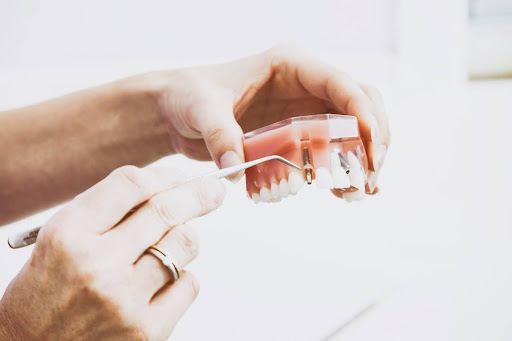
What Are Dental Implants?
Dental implants are artificial tooth roots, made typically from titanium. They provide a sturdy base for fixed or removable replacement teeth. These implants are designed to seamlessly blend with your natural teeth, providing both aesthetics and functionality.
The procedure has many advantages compared to traditional options like dentures or bridges.
Unlike dentures, implants do not shift or slip, which makes daily activities like eating and speaking more comfortable. Unlike bridges, they do not require reducing or altering nearby teeth.
Key features of dental implants include:
- They mimic natural teeth in appearance and function.
- They fuse with the jawbone through a process called osseointegration.
- They can prevent bone loss and maintain facial structure.
- They offer a long-term solution with proper care.
Dental implants have a high success rate, often exceeding 95%, with advancements in technology and materials contributing to their reliability. Proper oral hygiene and regular dental check-ups are essential to maximize their lifespan. For many, dental implants provide an invaluable opportunity to reclaim a confident smile and improve overall oral health.
The Importance of Choosing the Right Oral Surgeon
Selecting a skilled oral surgeon is crucial for the success of your dental implant procedure. This is where experts like Siouxland Oral Surgery stand out. Their team of experienced professionals ensures accurate diagnosis, treatment planning, and implant placement. An experienced surgeon can navigate complex cases and minimize potential complications.
The oral surgeon’s background in oral and maxillofacial surgery equips them with unique skills. They handle not just the surgical aspects but also the intricate anatomy of your mouth and jaw.
Specialized training, like that offered at Siouxland Oral Surgery, is essential for achieving the best results in dental implant procedures.
Patient satisfaction often hinges on the surgeon’s approachability and communication skills. A good oral surgeon listens to patient concerns, discusses the procedure thoroughly, and sets realistic expectations. This interaction builds trust, contributing significantly to the overall experience and success of the dental implant treatment. Choosing the right professional, like those at Siouxland Oral Surgery, can make all the difference in your implant journey, enhancing both your comfort and confidence.
Initial Consultation and Personalized Treatment Planning
The journey to obtaining dental implants begins with a comprehensive initial consultation.
During this visit, we will do a complete check of your oral health.
This involves detailed imaging, such as X-rays or 3D scans, to assess the jawbone and surrounding structures.
Personalized treatment planning is crucial for a successful implant procedure. It’s tailored to each patient’s unique needs and health status. This plan considers several factors including your oral health, desired outcomes, and any specific medical conditions.
During the consultation, you and your oral surgeon will discuss:
- The number and location of missing teeth.
- The potential need for additional procedures like bone grafting.
- Sedation and anesthesia preferences for comfort.
- Estimated timeline and steps involved in the procedure.
The personalized approach ensures that every aspect of your care is aligned with your goals. These early steps set the foundation for achieving a result that looks and feels natural, restoring not just teeth but confidence too.
Step-by-Step Guide to the Dental Implant Procedure
The dental implant process involves several key steps, each crucial to its success. Understanding each phase helps demystify the procedure and reassures patients. The path from consultation to a new smile involves precision and patience.
The main steps involved are as follows:
- Initial consultation and imaging
- Bone grafting (if necessary)
- Implant placement surgery
- Osseointegration and healing
- Abutment placement
- Artificial tooth (crown) attachment
Each step plays a vital role in the success and longevity of the implant. Let’s explore these stages in greater detail to appreciate what each entails.
Understanding the procedure helps set expectations and prepare for your journey to a restored smile. With every step, emphasis is placed on patient comfort and optimal outcomes.
Consultation and Imaging
The process begins with an initial consultation and thorough imaging. During this stage, the oral surgeon examines your dental and medical history. Advanced imaging techniques like X-rays or 3D scans create a detailed view of your oral structures.
This step is pivotal for planning. It helps in understanding the condition of your jawbone and evaluating the best sites for implant placement. The surgeon will also discuss your expectations and address any concerns.
Bone Grafting (If Necessary)
Bone grafting may be necessary if the jawbone lacks sufficient density. This step strengthens the bone, providing a solid foundation for the implant. The graft material can be sourced from your own body or synthetic options.
The healing process for grafting can vary, generally taking a few months. This time allows the graft to fuse with the existing bone, creating a strong base for the implant. It’s a vital process for those requiring additional support.
Implant Placement Surgery
Once the jawbone is ready, the next step is implant placement surgery. This procedure involves inserting the titanium post into the jawbone. The post acts like a tooth root, anchoring the dental implant securely.
This surgical procedure is often performed using local anesthesia or sedation for comfort. It usually takes a few hours, and most patients can return home the same day. Post-operative care is crucial to ensure proper healing.
Osseointegration and Healing
After the implant is placed, a healing period follows, typically spanning several months. This stage, known as osseointegration, involves the fusion of the implant with the jawbone. This natural bonding process is vital for the implant’s stability.
During this time, the bone grows around the implant, securing it firmly in place. Regular check-ups with your surgeon are essential to monitor progress. Proper care ensures the success of this crucial healing phase.
Abutment Placement
When the implant is successfully integrated, the next step is placing the abutment. The abutment acts as a connector between the implant and the crown. It extends above the gum line and serves as a support for the artificial tooth.
The placement of the abutment is a minor procedure, usually conducted under local anesthesia. Healing after abutment placement is relatively quick, paving the way for the final step of the process.
Artificial Tooth (Crown) Attachment
The final stage of the procedure is attaching the artificial tooth, or crown. The crown is custom-made to match your natural teeth in color, shape, and size. It is securely fastened onto the abutment.
The result is a natural-looking, fully functional tooth. This step marks the end of your dental implant journey, restoring both aesthetics and utility to your smile.
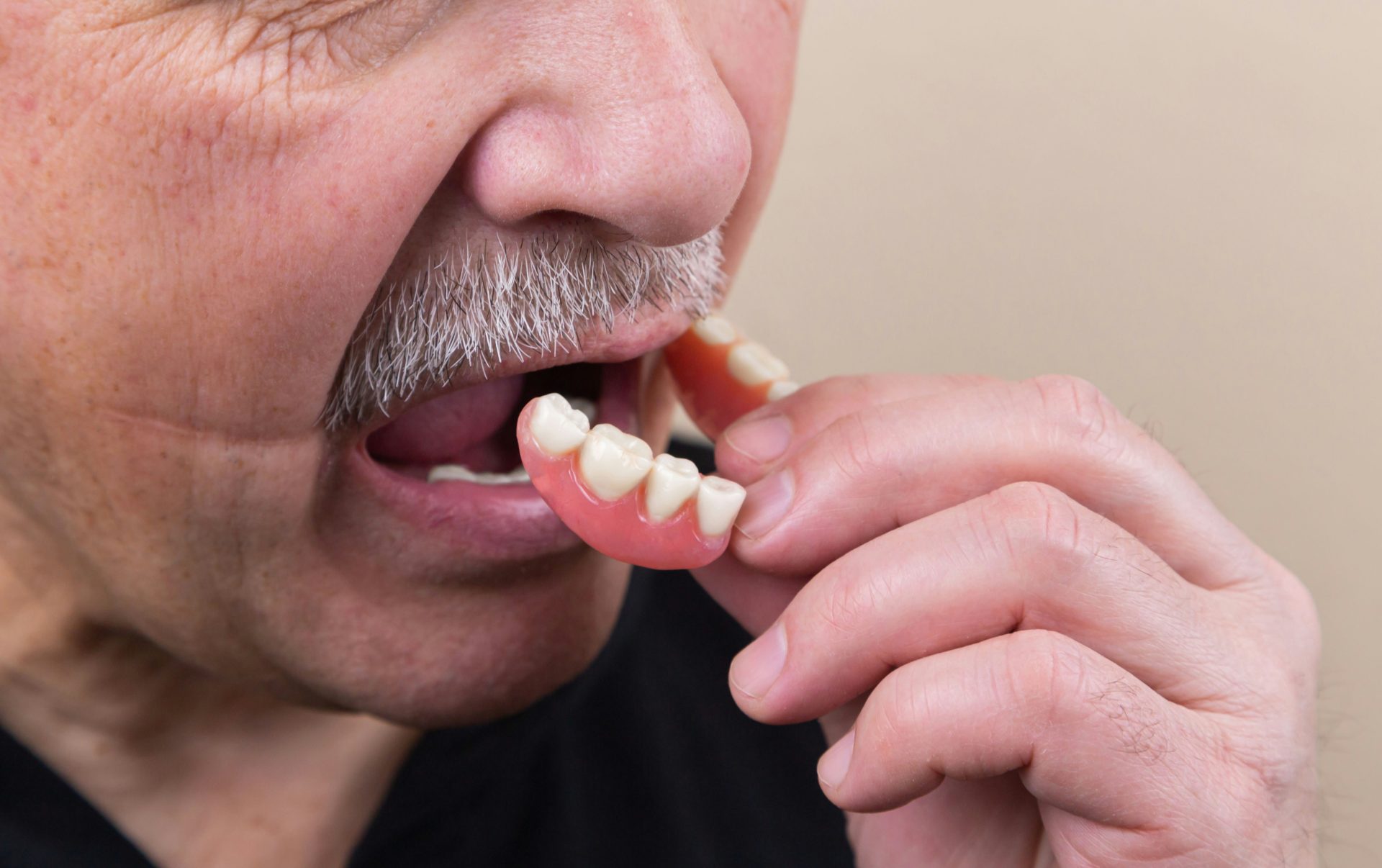
Understanding Dental Implant Costs
The cost of dental implants can vary significantly based on several factors. Each patient’s specific needs and circumstances play a role in determining the overall expense. Understanding these cost elements helps in planning financially for the procedure.
Key factors influencing dental implant costs include:
- The number of implants needed
- The need for additional procedures like bone grafting
- The choice of materials for the implant post and crown
- Geographic location and the expertise of the oral surgeon
Insurance coverage for dental implants can be complex. While some plans may cover a portion of the costs, not all do. Additionally, financing options might be available to manage expenses, providing flexibility in payment.
Discussing the financial aspects with your oral surgeon during the initial consultation is essential. It ensures that you have a clear understanding of your investment in achieving a renewed, confident smile.
The Role of Technology in Dental Implant Procedures
Advancements in technology have significantly enhanced dental implant procedures. Today, tools such as 3D imaging and digital impressions allow for precise planning. These innovations help the oral surgeon accurately assess the jawbone’s structure and placement.
Incorporating technology improves both outcomes and patient experiences. Guided surgery techniques use computer-generated templates, which ensure accurate implant placement. This precision minimizes risks and expedites recovery time. Embracing these advancements ultimately leads to a smoother journey toward achieving a new, confident smile with dental implants.
Patient Comfort and Satisfaction: Anesthesia and Sedation Options
Ensuring patient comfort is a top priority during dental implant procedures. Various anesthesia and sedation options are available to ease any apprehension. They range from local anesthesia to IV sedation, tailored to fit individual needs.
Discussing these options with your oral surgeon is crucial. Understanding what’s available helps in choosing the best approach for you. With the right sedation, the implant procedure can be a stress-free experience, allowing you to focus on the exciting outcome of enhancing your smile.
Aftercare and Long-Term Success of Dental Implants
Proper aftercare is critical for the lasting success of dental implants. Following post-operative instructions is essential for healing.
This includes gentle oral care and managing any pain with prescribed medications.
Regular dental check-ups play a vital role in monitoring implant stability. Routine care helps prevent complications and ensures the long-term effectiveness of the implant. Maintaining good oral hygiene is crucial for prolonging the life of your implants.
Here are key tips for aftercare and maintaining dental implants:
- Brush and floss regularly.
- Avoid hard foods that can damage the implant.
- Use antibacterial mouth rinses.
- Schedule regular dental visits.
Being proactive with oral care helps maintain a healthy smile for years to come. Embracing these habits ensures your dental implants will remain strong and functional, complementing your natural teeth beautifully.
Finding ‘Implants Dental Near Me’: How to Start Your Journey
Locating a skilled specialist for dental implants can start with a simple local search. Use online directories and review sites to identify reputable oral surgeons in your area. Pay attention to patient testimonials to gauge the quality of care provided.
Ask your general dentist for recommendations, as they often collaborate with experienced oral surgeons. Referrals from friends and family can also offer personal insights. Once you’ve identified potential surgeons, schedule consultations to discuss your needs and feel confident in their expertise.
Conclusion: Embracing a New Smile with Confidence
Dental implants provide more than just tooth replacement; they offer a transformative impact on your life. By rejuvenating your smile, implants bolster self-assurance and improve overall well-being. The journey to a refreshed smile involves thoughtful planning and expert care.
Partner with a seasoned oral surgeon to ensure successful outcomes. Comprehensive aftercare and maintaining oral hygiene are crucial for long-term success. Let the journey to dental implants lead you to renewed confidence and lasting satisfaction. With your new smile, embrace each day with newfound positivity and joy.